Soon-to-be graduate praised for research focusing on dietary difficulties coeliacs face in Pakistan
The difficulties of sticking to a gluten-free diet for coeliacs living in Pakistan has been the focus of research by a soon-to-be Master’s graduate from the University of Chester.
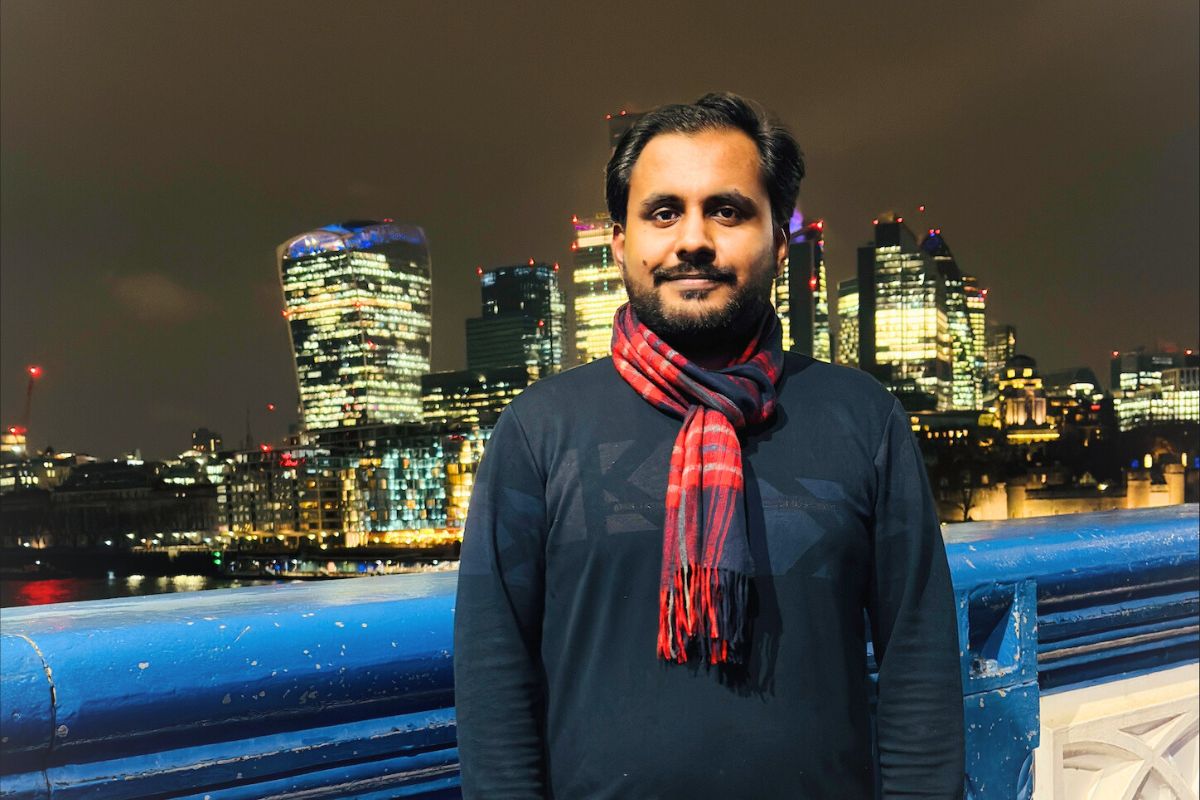
Zohaib Safdar, 26, is due to graduate in March, having completed his MSc in Public Health Nutrition. As part of his studies, he has written a research paper titled ‘Assessing food insecurity and other barriers to adherence to a gluten-free diet among coeliac disease individuals in Pakistan’.
Coeliac disease is an autoimmune condition caused by eating gluten, which is found in wheat, barley and rye, and prevents the body from absorbing nutrients. Symptoms can include nausea, bloating and diarrhoea, and the primary treatment is to maintain a strict, gluten-free diet.
However, Zohaib noted, following a gluten-free diet can be challenging as gluten-free variants of food can be considerably more expensive, and this issue is compounded in Pakistan, where food prices have risen sharply since the Covid-19 pandemic and wheat is a staple food.
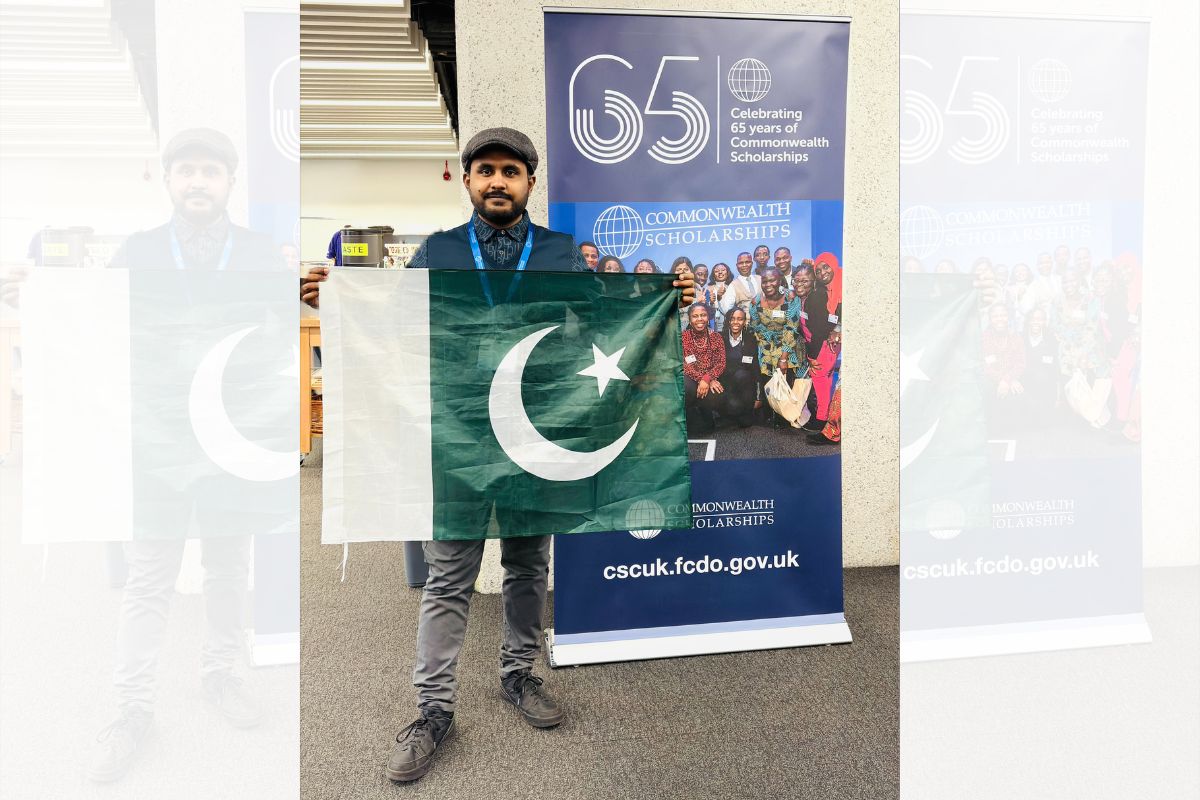
Zohaib’s research project features 469 respondents to an anonymous online survey which targeted coeliacs in Pakistan, asking them if they were able to afford living a gluten-free lifestyle in the past year.
The survey found nearly three out of five respondents to the survey (58.8%) had experienced food insecurity, with 31.3% of all respondents reporting very low food security. The proportion of those reporting food insecurity was higher for those in poorer-income households and for those whose body mass index (BMI) was lower, particularly for those classed as underweight.
Zohaib, who comes from Pakistan, noted in his research report: “In Pakistan, where gluten-free food options are scarce and expensive, individuals from food-insecure households may struggle to maintain a nutritionally adequate gluten-free diet, consequently increasing their vulnerability to underweight and micronutrient deficiencies. These findings highlight a critical public health concern.”
The report finds that economic limitations, limited gluten-free cooking competence and adverse social circumstances “are key barriers to sustaining a gluten-free diet”. Zohaib recommends that gluten-free products should become more available and affordable, and community-based interventions such as promoting cooking skills, nutrition education and awareness of naturally gluten-free foods could help coeliacs.
Zohaib added he is “deeply thankful” to the University of Chester and the Commonwealth Shared Scholarship Scheme for funding the research.
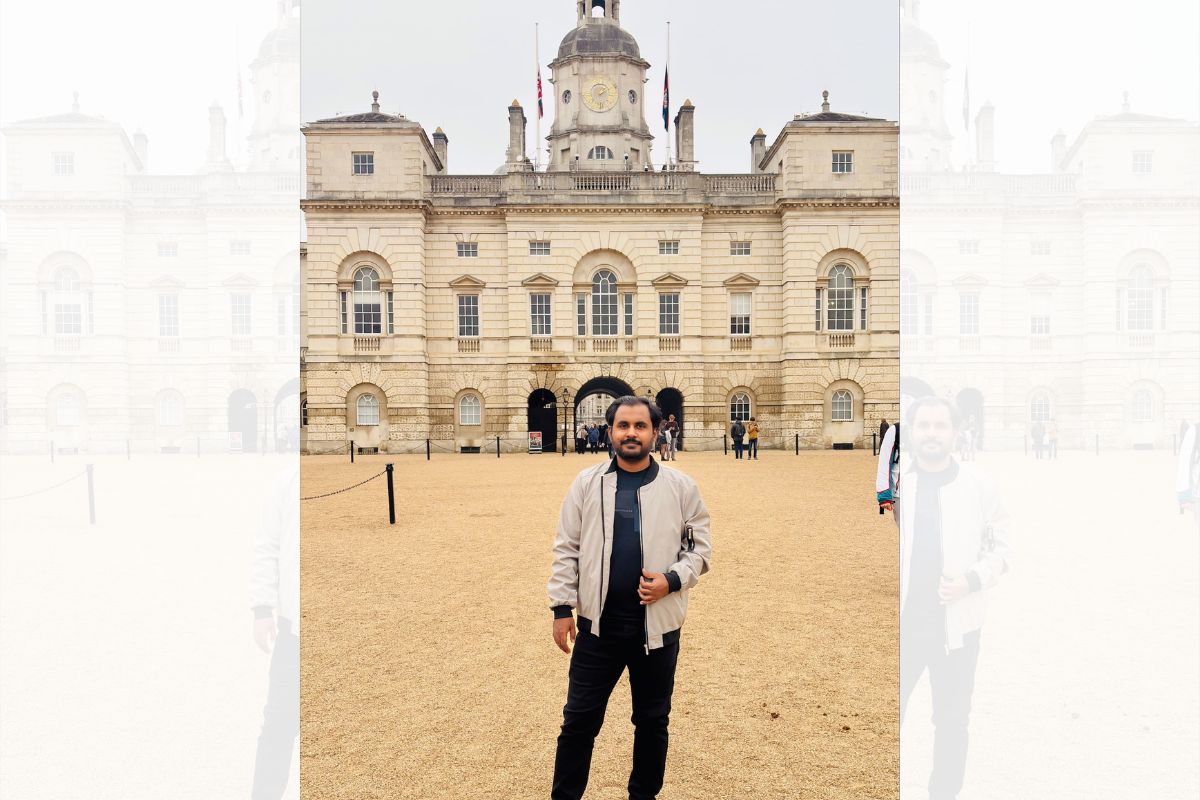
He added: “Studying at the University of Chester as a fully funded Commonwealth Scholar was a deeply enriching and transformative experience. The MSc in Public Health Nutrition offered a rigorous yet supportive academic environment, strengthening my critical thinking and equipping me with practical, research-driven skills to address real-world public health challenges, particularly in low- and middle-income country contexts.
“One of the biggest highlights of my time at Chester was the exceptional mentorship from the faculty. Their openness, guidance, and belief in my ideas gave me the confidence to pursue meaningful research. A particularly defining moment was being supported to conduct my dissertation remotely in Pakistan, allowing me to generate context-specific evidence while staying academically connected, an experience that truly reflects Chester’s flexible, inclusive, and student-centred approach.
“Beyond academics, the university’s strong career guidance, inclusive culture, and extended accommodation support played a key role in helping me thrive both personally and professionally. I also deeply valued the diverse friendships and networks I built, which broadened my global perspective and enriched my learning journey.
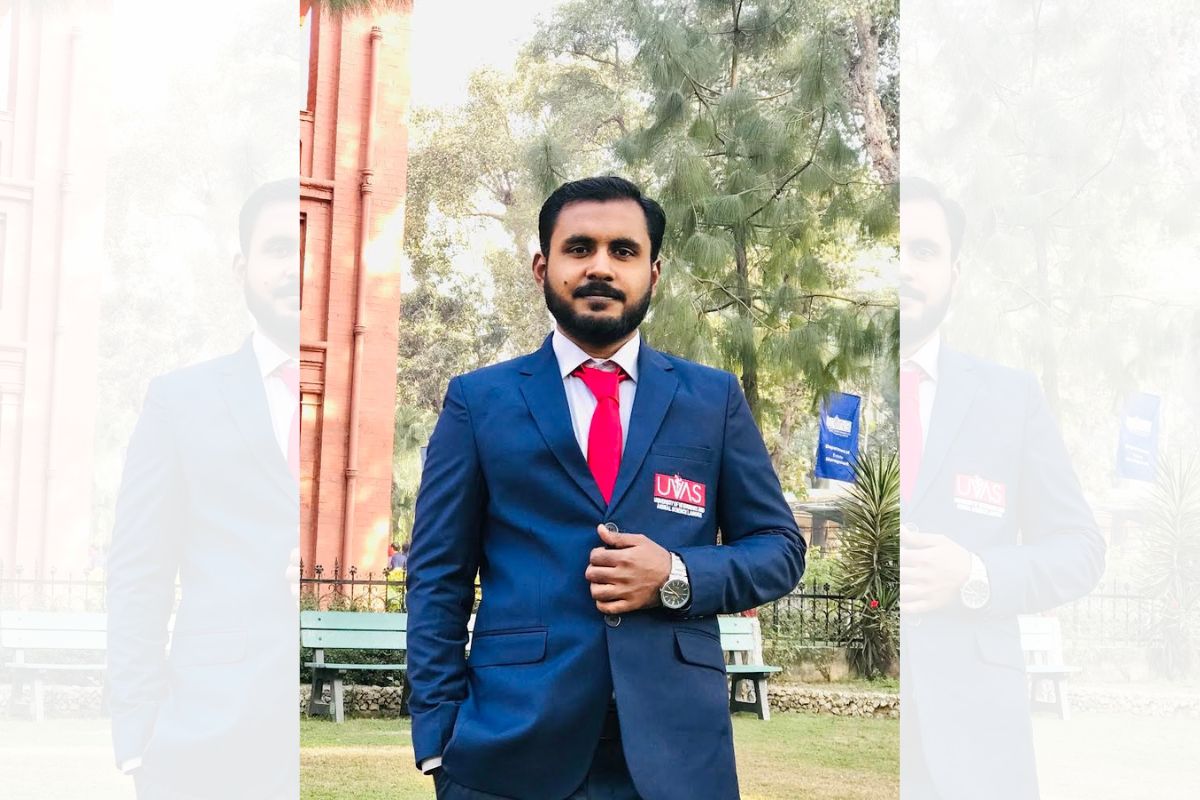
“I am now working as a Lecturer in the Department of Nutrition and Dietetics at Yashfeen College of Allied Health Sciences, Lahore. Securing this position within just two months of completing my MSc is a milestone I am deeply proud of, and I strongly believe this achievement is a direct outcome of the professional training, academic rigour, and mentorship I received at the University of Chester.”
Seóna Dunne, Senior Lecturer in Nutrition and Health at the University of Chester, said: “Zohaib worked so hard during his time at Chester and demonstrated professionalism throughout his academic work.
“Whilst a determined individual worker, he also supported his peers during this time. Zohaib’s determination stretched to his research project where he conducted his study remotely in Chester, with the study based in his home country of Pakistan.”