Haematology MSc
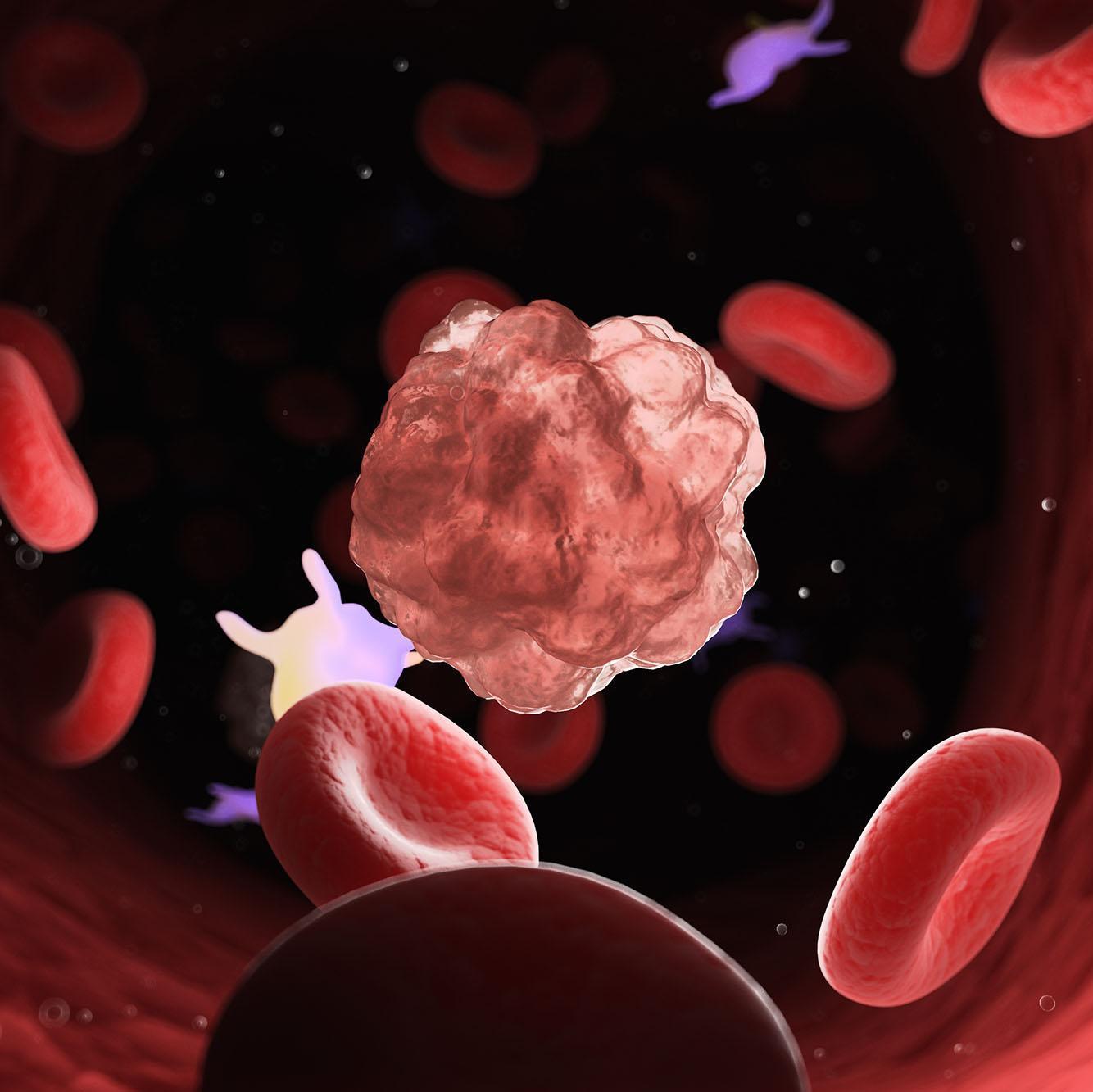

The MSc in Haematology is designed to enable you to develop an up-to-date, advanced understanding of the disorders of blood and blood science. The course will enable you to have a deeper understanding of blood, and its components, and how these can change in different clinical situations and diseases.
You will receive training in the skills required in the reading and interpretation of the literature and translating that into evidence-based practice. We aim to develop your research and writing skills so that you will be in a position to contribute to the scientific literature in an effective manner. You will also have the opportunity to develop your science communication skills.
This course includes ‘Meet the Expert’ webinar series where, at the end of some lectures, there is a live webinar with an international expert. The aim of this webinar series is to reinforce what has been taught in the lecture, through scaffold learning and also to expose students to more experts within the haematology field.
The course culminates in the Research Dissertation, which will be assessed through your production of a research article written in the style of publishable scientific work and a short oral presentation. Options could include literature, data or laboratory-based projects, depending on research interests.
Successful completion of this MSc course can lead to a range of exciting career and research opportunities including careers in biomedical or clinical research, medicine, physician associate, PhD study or teaching.
What You'll Study
Our course offers insight into the working of blood science laboratories for the clinical management of patient care. Additionally, through the course we will focus on the cellular biology both in the normal development of hematopoietic stem cells and how this becomes abnormal in haematological malignancies. In your studies, you will learn in detail about the diagnosis and treatment of both malignant and non-malignant haematological conditions. You will also review current guidelines and their evidence base in the therapeutic management of haematological problems and explore potential new therapies.
The information listed in this section is an overview of the academic content of the course that will take the form of either core or option modules and should be used as a guide. We review the content of our courses regularly, making changes where necessary to improve your experience and graduate prospects. If during a review process, course content is significantly changed, we will contact you to notify you of these changes if you receive an offer from us.

How we teach at the University of Chester
The course will be delivered using a blended learning model which includes face-to-face teaching as well as online learning.
Teaching is delivered by academics, but various healthcare professionals and clinical researchers also contribute to the course delivery.
Students are expected to work independently on assessments in between teaching blocks but maintain in contact with the module tutor either face-to-face or online. Students can attend additional support sessions to supplement learning.
Your Future Career
Careers service
The University has an award-winning Careers and Employability service which provides a variety of employability-enhancing experiences; through the curriculum, through employer contact, tailored group sessions, individual information, advice and guidance.
Careers and Employability aims to deliver a service which is inclusive, impartial, welcoming, informed and tailored to your personal goals and aspirations, to enable you to develop as an individual and contribute to the business and community in which you will live and work.
We are here to help you plan your future, make the most of your time at University and to enhance your employability. We provide access to part-time jobs, extra-curricular employability-enhancing workshops and offer practical one-to-one help with career planning, including help with CVs, applications and mock interviews. We also deliver group sessions on career planning within each course and we have a wide range of extensive information covering graduate jobs .
Entry Requirements
2:2 honours degree
Applicants must hold an appropriate first degree with a minimum of 2:2 honours (e.g. in Medicine, Biomedical Science, Dietetics, Human Biology) or hold appropriate professional qualifications and be able to demonstrate suitable background knowledge and skills.
Applications are invited from:
- those with related undergraduate degrees (e.g. Biomedical Science, Dietetics) or equivalent professional qualifications and background experience
- junior doctors
- NHS staff
- international students with appropriate qualifications
- international doctors or healthcare professionals
2:2 honours degree
Applicants must hold an appropriate first degree with a minimum of 2:2 honours (e.g. in Medicine, Biomedical Science, Dietetics, Human Biology) or hold appropriate professional qualifications and be able to demonstrate suitable background knowledge and skills.
Applications are invited from:
- those with related undergraduate degrees (e.g. Biomedical Science, Dietetics) or equivalent professional qualifications and background experience
- junior doctors
- NHS staff
- international students with appropriate qualifications
- international doctors or healthcare professionals
English Language Requirements
For more information on our English Language requirements, please visit International Entry Requirements.
Fees and Funding
£9,090for a full-time course (2026/27)
Guides to the fees for students who wish to commence postgraduate courses are available to view on our Postgraduate Taught Programmes Fees page. Here you will also find information about part-time fees and project/placement year fees.
£15,500for a full-time course (2026/27)
The tuition fees for international students studying Postgraduate programmes in 2026/27 are £15,500.
Please note: For MSc programmes where a placement or project year is undertaken there will be an additional charge of £2,900 for the placement/project year (due at the start of the second year of the course).
The University of Chester offers generous international and merit-based scholarships for postgraduate study, providing a significant reduction to the published headline tuition fee. You will automatically be considered for these scholarships when your application is reviewed, and any award given will be stated on your offer letter.
For more information, go to our International Fees, Scholarship and Finance section.
Irish Nationals living in the UK or ROI are treated as Home students for Tuition Fee Purposes.
Your course will involve additional costs not covered by your tuition fees. This may include books, printing, photocopying, educational stationery and related materials, specialist clothing, travel to placements, optional field trips and software. Compulsory field trips are covered by your tuition fees.
The University of Chester supports fair access for students who may need additional support through a range of bursaries and scholarships.
Full details, as well as terms and conditions for all bursaries and scholarships can be found on the Fees and Finance section of our website.
Emma Moore
Lecturer
Dr Claire Lucas
Head of Division