Plant Dramas

The aim of Plant Dramas is to encourage children and the adults who teach them to think differently about the nature of plant life.
We share our world with an incredible diversity of plant life. Even in the most built-up urban spaces, we can find plants living in the cracks of pavements, roadside verges, the edges of construction sites and across waste ground. Yet we tend not to notice them. Our modern way of life has distanced us from our botanical neighbours, taking away many of the opportunities we once had to interact with them. At the same time, we are taught that plants are inherently passive, acting in a purely mechanistic manner that denies them their own agency. As a result, plants have faded into the background, leaving us ignorant of the wonders of the botanical world and our reliance upon it.
Our tendency to overlook plants, and the crucial roles they play in sustaining all forms of life, is known as Plant Blindness and it has become a significant problem. It has been linked to low levels of funding for plant conservation, and to the catastrophic decline in the teaching of botany at all levels of education, which in turn has led to a lack of skills and knowledge necessary to successfully plan and deliver plant conservation programmes. This comes at a time when plants themselves are under increased threat from a range of human actions, including air pollution, land management practices, and the effects of climate change.
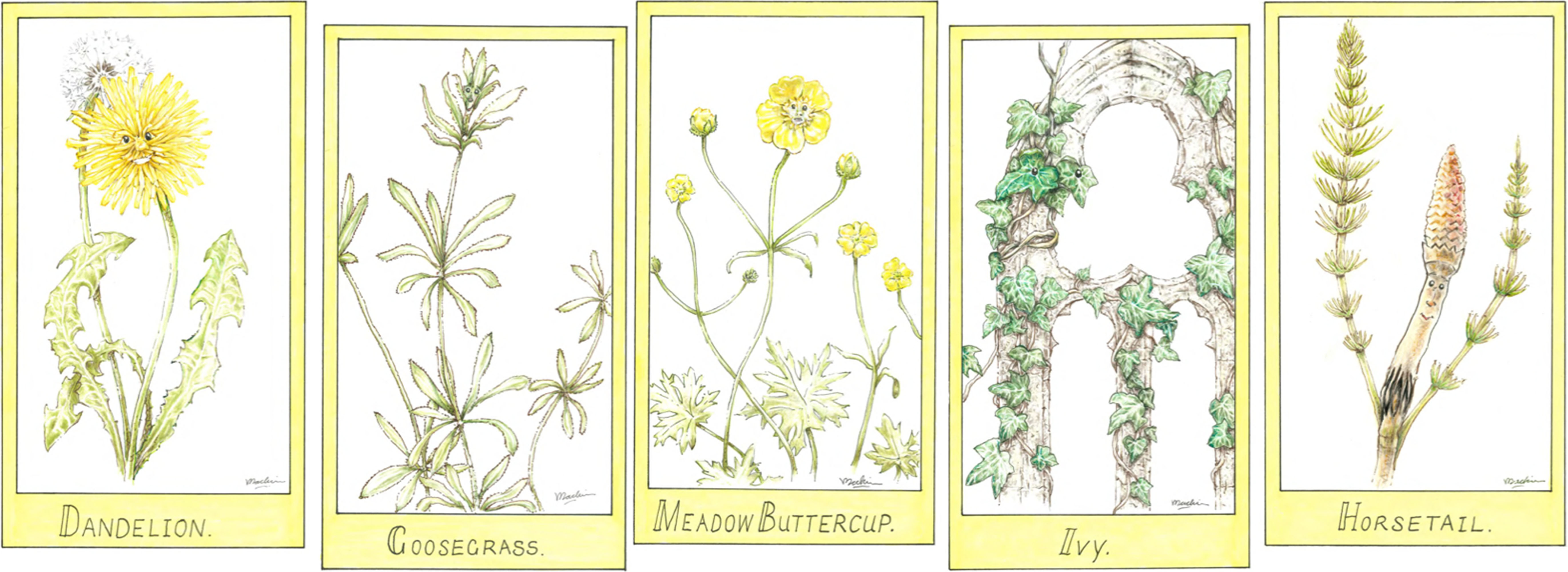
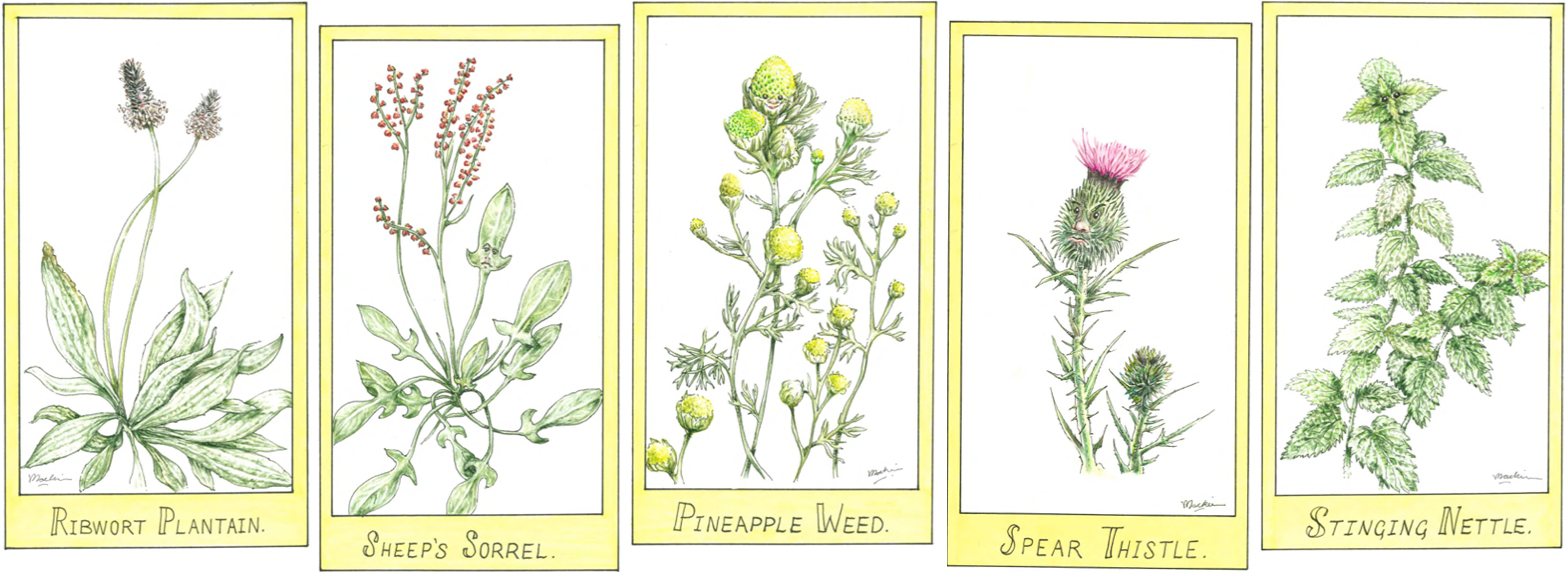
We want to address the issue of Plant Blindness by creating resources for educators that use the arts to encourage children to think of plants as active living beings who interact with the world around them, while also helping them to identify different plant species and understand basic ecological and botanical concepts. For this first stage of the project, we have chosen to focus on the sorts of plants that we call weeds because these are easy to recognise and can be found in most places, whether it’s an urban centre, or a small rural village. Weeds are also incredible plants, they are tough, tenacious, and are essential elements of our ecosystem. We hope that by learning more about these incredible plants, children will not only take more notice of plants, but be inspired to learn more, and to become the botanists of the future.

Plant Dramas
Project Aims
The aim of Plant Dramas is to encourage children, and the adults who teach them, to think differently about the nature of plant life.
We share our world with an incredible diversity of plant life. Even in the most built-up urban spaces, we can find plants living in the cracks of pavements, roadside verges, the edges of construction sites and across waste ground. Yet we tend not to notice them. Our modern way of life has distanced us from our botanical neighbours, taking away many of the opportunities we once had to interact with them. At the same time, we are taught that plants are inherently passive, acting in a purely mechanistic manner that denies them their own agency. As a result, plants have faded into the background, leaving us ignorant of the wonders of the botanical world and our reliance upon it.
Our tendency to overlook plants, and the crucial roles they play in sustaining all forms of life, is known as ‘Plant Blindness’ and it has become a significant problem. It has been linked to low levels of funding for plant conservation, and to the catastrophic decline in the teaching of botany at all levels of education, which in turn has led to a lack of skills and knowledge necessary to successfully plan and deliver plant conservation programmes. This comes at a time when plants themselves are under increased threat from a range of human actions, including air pollution, land management practices, and the effects of climate change.
We want to address the issue of Plant Blindness by creating resources for educators that use the arts to encourage children to think of plants as active living beings who interact with the world around them, while also helping them to identify different plant species and understand basic ecological and botanical concepts. For this first stage of the project, we have chosen to focus on the sorts of plants that we call ‘weeds’ because these are easy to recognise and can be found in most places, whether it’s an urban centre, or a small rural village. Weeds are also incredible plants, they are tough, tenacious, and are essential elements of our eco-system. We hope that by learning more about these incredible plants, children will not only take more notice of plants, but be inspired to learn more, and to become the botanists of the future.
If you want to learn more about Plant Blindness, you might find these articles helpful:
