History of the University
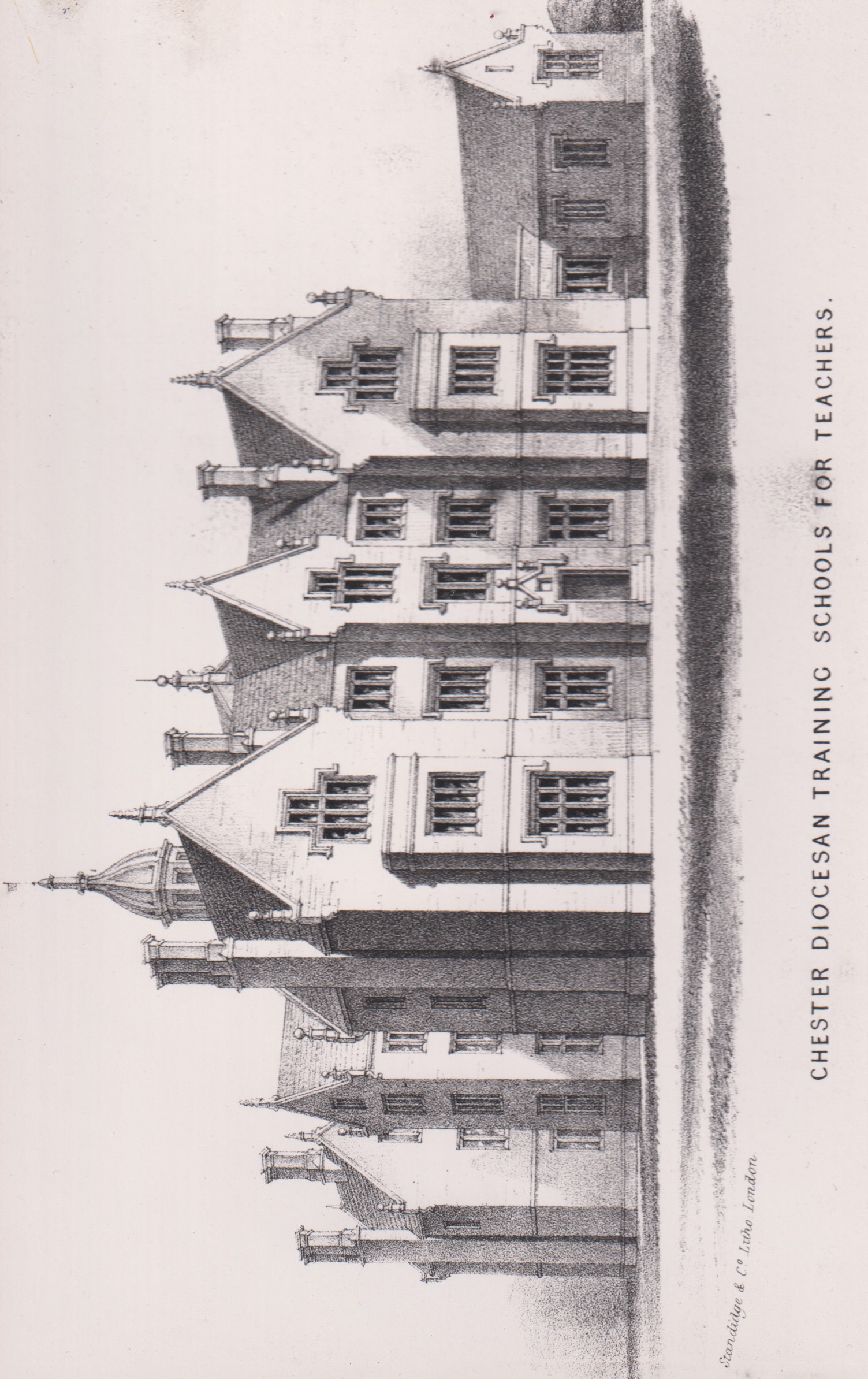
The institution, which would become the University of Chester, was founded in 1839 as Chester Diocesan Training College. We are one of the longest established English higher education institutions of any kind, predating all but Oxford, Cambridge, London and Durham.
Over 185 years, the University has grown from a men-only teacher training college to an institution offering undergraduate and postgraduate degrees, with students from over one hundred countries.
In 1839 a meeting held under the auspices of the Diocesan Board of Education in Warrington agreed to establish a ‘seminary … for the education of Masters ... so trained as to qualify them for teaching properly’ (Bradbury; 48). Chester Diocesan Training College (CDTC) opened in temporary buildings in Chester on 1 February 1840 with 10 trainee teachers.
Six prominent men played a major role in establishing the CDTC and are recognised as the University's six 'founders':
- William Ewart Gladstone - four-time Prime Minister (1868-74, 1880-85, 1886, 1892-94)
- Lord Derby (14th earl of Derby) - three-time Prime Minster (1852, 1858-59, 1866-68) and the longest serving mainstream party leader in modern British politics. In 1828 he published Conversations on the Parables of the Use of Children.
- John Bird Sumner - bishop of Chester (1828-48) and later archbishop of Canterbury (1848-62)
- Henry Raikes - Chancellor of the Diocese of Chester (1830-54). The university archive contains two letters sent to him from his friend, the famed anti-slavery campaigner William Wilberforce.
- Hon. and Rev. Horatio Powys - rector of Warrington and first Secretary of the Diocesan Board of Education and later bishop of Sodor and Man (1854-77)
- Rev. Canon James Slade - vicar of Bolton. He founded the Church of England Educational institution for girls, boys, and evening students in 1846
[Hyperlinks are to entries in the Oxford Dictionary of National Biography]
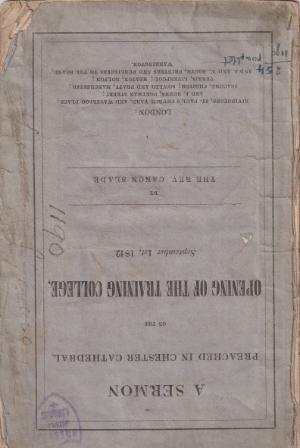
In 1842 the College moved to a new location with on Cheyney Road (now the Exton Park campus), the first buildings in the country purpose-built for educating teachers. Rev. Canon James Slade, the Vicar of Bolton and one of the founders, preached a sermon at Chester Cathedral to commemorate the opening, which was later published and a copy is held in the University archive.
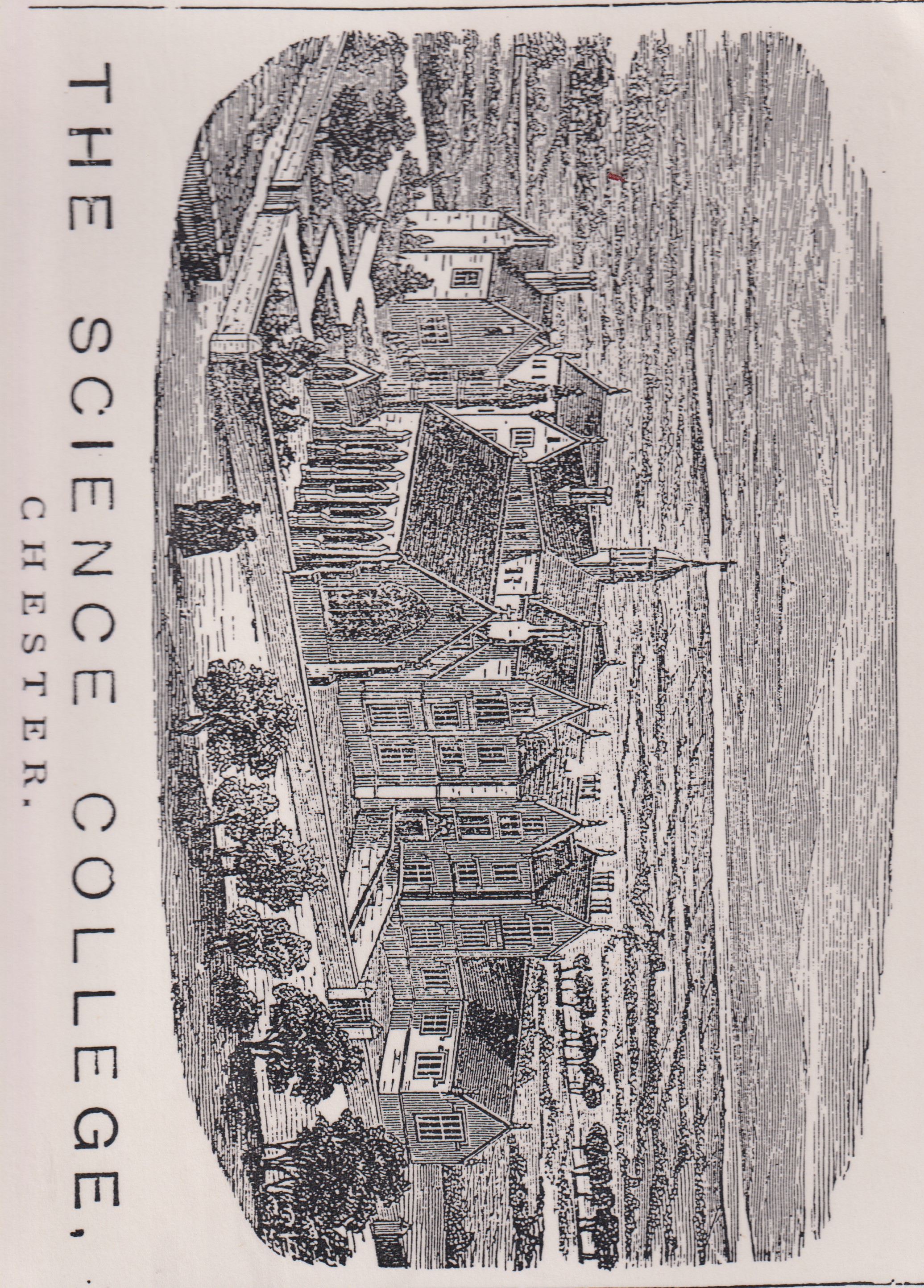
In these early years, the College was made up of three parts: a training school for training future schoolmasters, an elementary school (built on campus in 1844) where students could practice their teaching, and a fee-paying boarding school of boys from ages 8-15 which gained a national reputation as a 'Science College'.
Reflecting its foundation by the Church of England, a Chapel was opened in 1847, funded by donations and built mainly by the students themselves.
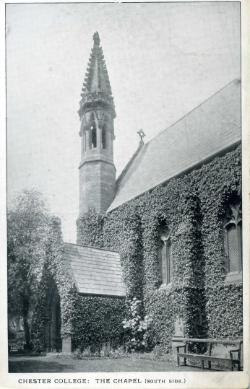
The Chapel continues to be used for religious services and members of staff and students can marry in the Chapel.
A typical weekday for students in the 1840s began at 5am in the summer and 6.45am in the winter with prayers at 7am, six and a half hours of study, three and a half hours for 'industrial occupations' such as woodwork, private reading, and study, prayers and 8.30pm and bed at 9pm (White; 14).
Unfortunately student numbers fell during the 1860s from 57 in 1860 to only 5 in 1867 and the College faced the threat of closure. However the 1870 Education Act led to an increased demand for elementary schoolmasters and the College focussed its efforts on delivering two-year training courses. Student numbers rose to 96 in 1879 and 100 in 1885.
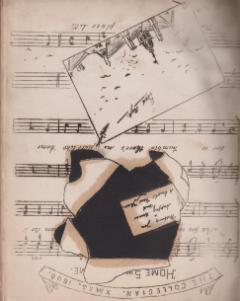
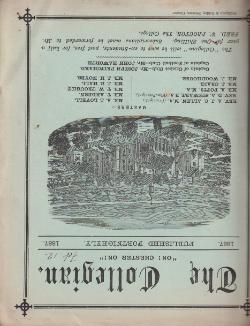
In 1886, the students published the first edition of their own magazine – the Collegian. Early issues were handwritten with hand-drawn covers such as this one from Christmas 1886. A year later, the Collegian had printed cover which showed the College buildings and in 1888 the first entirely printed issue appeared.
The Collegian was renamed as The Cestrian in 2005 and is still published online.
The pages of the Collegian reflected the increasing social and sporting pastimes enjoyed by students. Football and cricket matches were reported alongside College gossip and the results from Volunteer (a forerunner of the Territorial Army) shooting competitions. By the mid-1890s, the College had clubs for gymnastics, cycling, and rambling, followed by a dramatic society in 1910 and a branch of the Student Christian Movement in 1911. By 1907 the students had their own common room and in 1911 electric lighting was installed throughout the College.
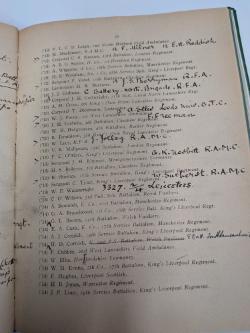
When World War I broke out in August 1914, the September issue of the Collegian mentioned plans to establish a College Company for Home Defence and the possibility of an old students 'Pals' unit; neither of which eventually happened. The Collegian published lists of old students serving in the armed forces in its pages and reported on their activities. The extract below from the December 1914 Collegian includes handwritten amendments to the names. This issue is held in the University library which suggests that the amendments were made by College staff.
Despite the war, nearly all of the 120 places for autumn 1914 were filled and additional land was purchased (currently the University library) to build a new students hostel. However, the situation soon became grave for the College as students left to serve in the armed forces. By October 1915, there were only 58 students, although 39 joined from Cheltenham Teacher Training College when it closed. In August 1916, the Governors agreed to temporarily close the College and the buildings were turned over to St Lawrence's College from Ramsgate, a boys-only boarding school, for the duration of the war. The Headmaster, Rev. Richard Thomas, was awarded the OBE for his service as acting Chaplain General to the Fifth Army.
77 past and current College students died during World War I. In 1921, a memorial to them was unveiled in the College Chapel.
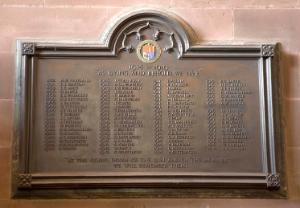
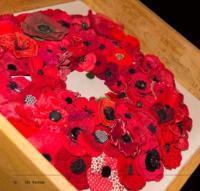
In 2018, the University commemorated these 77 students with a commemorative booklet and the creation of a commemorative wreath of 77 poppies sewn by the Alumni Association’s sewing group.
The 1918 Education Act increased the minimum school leaving age from 12 to 14 years and this, in turn, led to greater demand for teachers. The College aimed to produce teachers for both 'elementary' and the new 'secondary' schools . In 1921, the College became an affiliated college of the University of Liverpool and began awarding Certification of Education (Cert. Ed.) awards from the University of Liverpool.
This syllabus, held in the University archive, shows that students studied thirteen subjects:
- English language, literature and composition
- History
- Geography
- Mathematics with arithmetic
- Chemistry
- Physics
- French
- Principles of teaching
- Hygiene and Physical Training
- Drawing
- Theory of music
- Handwork
- Gardening
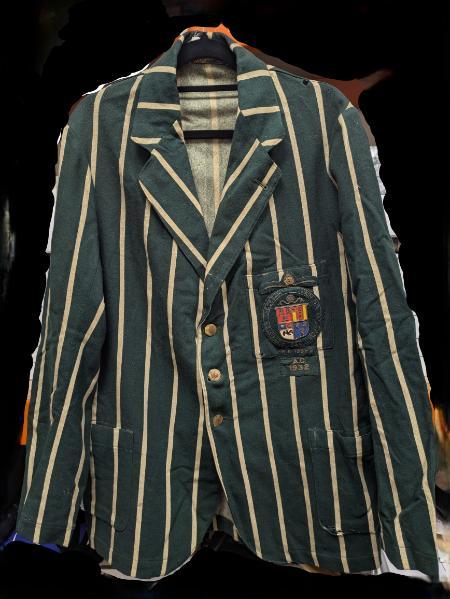
Student numbers steadily increased from 150 in 1922 to 220 in 1930 and the size of the College campus expanded also. In addition to their academic studies, students participated in many societies and sports clubs. R C R Birch, owner of this College blazer from the 1930s, was a member of the hockey club and the athletics club.
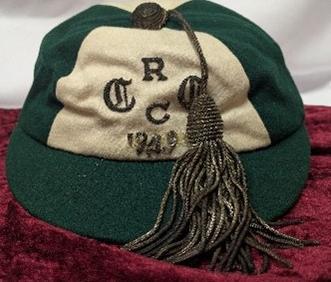
Unsurprisingly, being located close to river Dee, the College rowing club was popular. This Chester College Rowing Club cap belonged to alumnus Barry Wademan (1949-51).
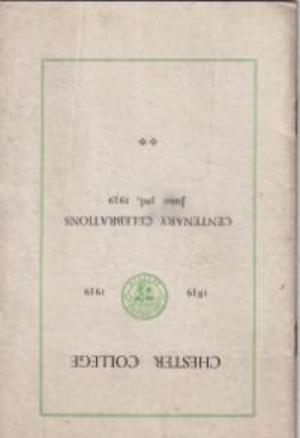
In 1939, the College celebrated its centenary with a Chapel service on 25 January and on 3 June the 17th earl of Derby (grandson of one of the founders) laid the foundation state for Fisher House, followed by a garden party, an exhibition of students' work, and sporting matches.
The outbreak of war in 1939 led to fears that, as in World War I, falling student numbers would force a temporary closure of the College. In 1942 there were only 45 students so the decision was made to move them, along with some staff, to Cheltenham (St Paul's) Teacher Training College, although the Colle retained its own identity throughout the war. The College campus became a School for Army Chaplains.
After World War II, the College focussed on developing student accommodation and the North Hostel (Astbury House) and the South Hostel (Fisher House) were opened in the 1950s and are still in use today. Student numbers remained around 150 and in 1959 the College dropped 'Diocesan Training' from its title to become Chester College.
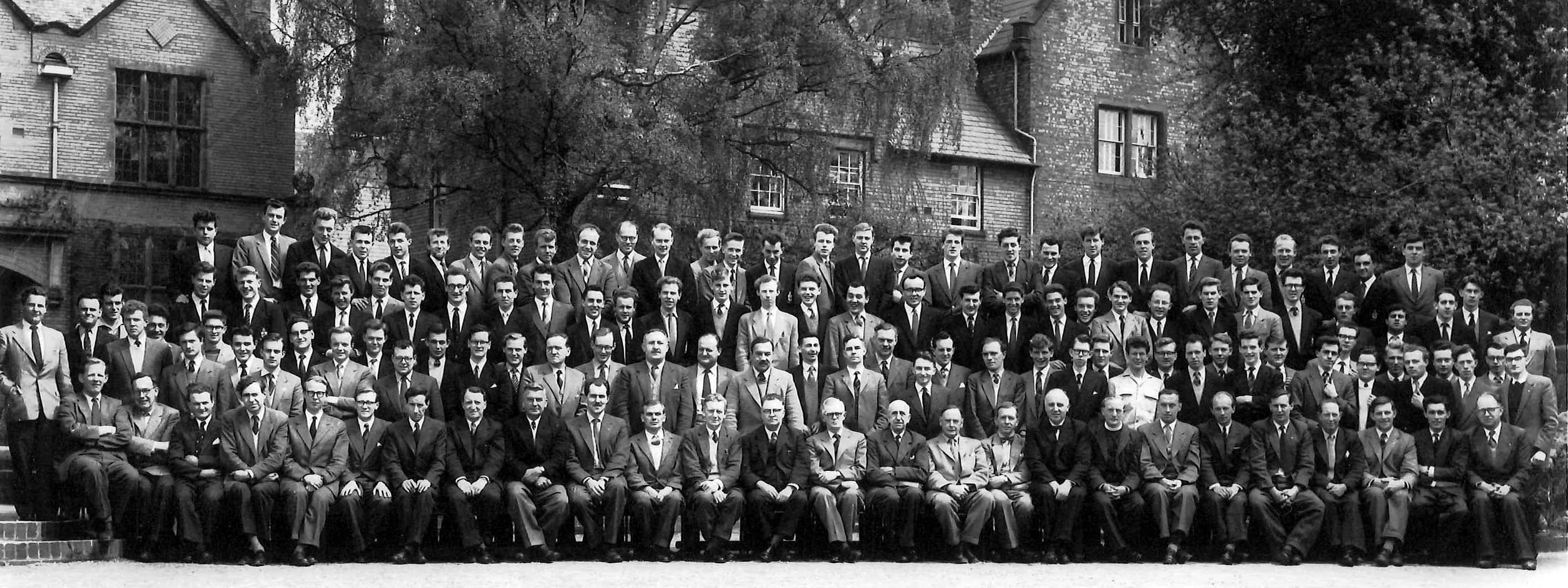
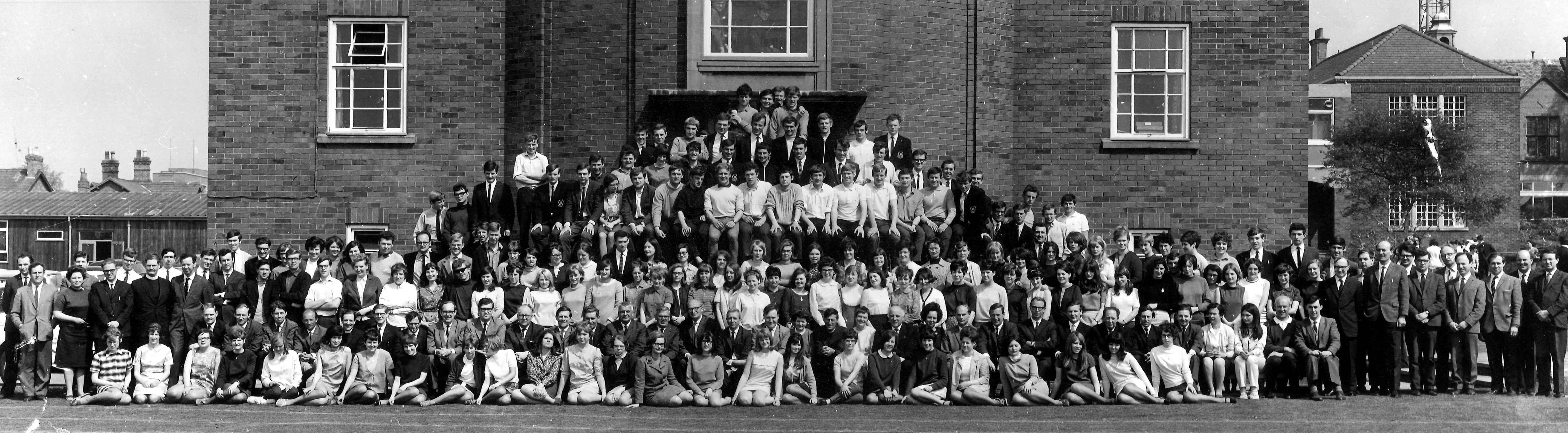
Although the College appointed Jeanne Queillé as part-time French tutor in the 1920s, the only women at the College were domestic and nursing staff. In 1958 Ministry of Education officials meet with College to confirm that the College will be allowed to expand but only if it became a mixed college of 250 men and 150 women. The College initially resisted allowing women students but in 1960 the Ministry of Education instructed it to admit 100 women as soon as possible and a year later three female students were admitted.
Women soon came to make up the majority of the student population. In 1965, three residential accommodation blocks for female students (Catherine, Alexandra, Margaret) were built.
These two photos of the staff and students from 1960 and 1968 show the impact of this decision.
In 1973 Lynne Parker became the first female President of the Students’ Guild.
Despite this academic College staff remained predominately men for several decades. In 1976 Grace Jones became Deputy Principal and in 2020 Prof. Eunice Simmons was appointed Vice-Chancellor and became the first woman to lead the College or University.
By 1974, the College had expanded beyond teacher training and offered a variety of Bachelor of Arts and Bachelor of Science degrees awarded by the University of Liverpool.
The College continued to expand throughout the 1970s and 1980s and in 1989 it celebrated its 150th anniversary.
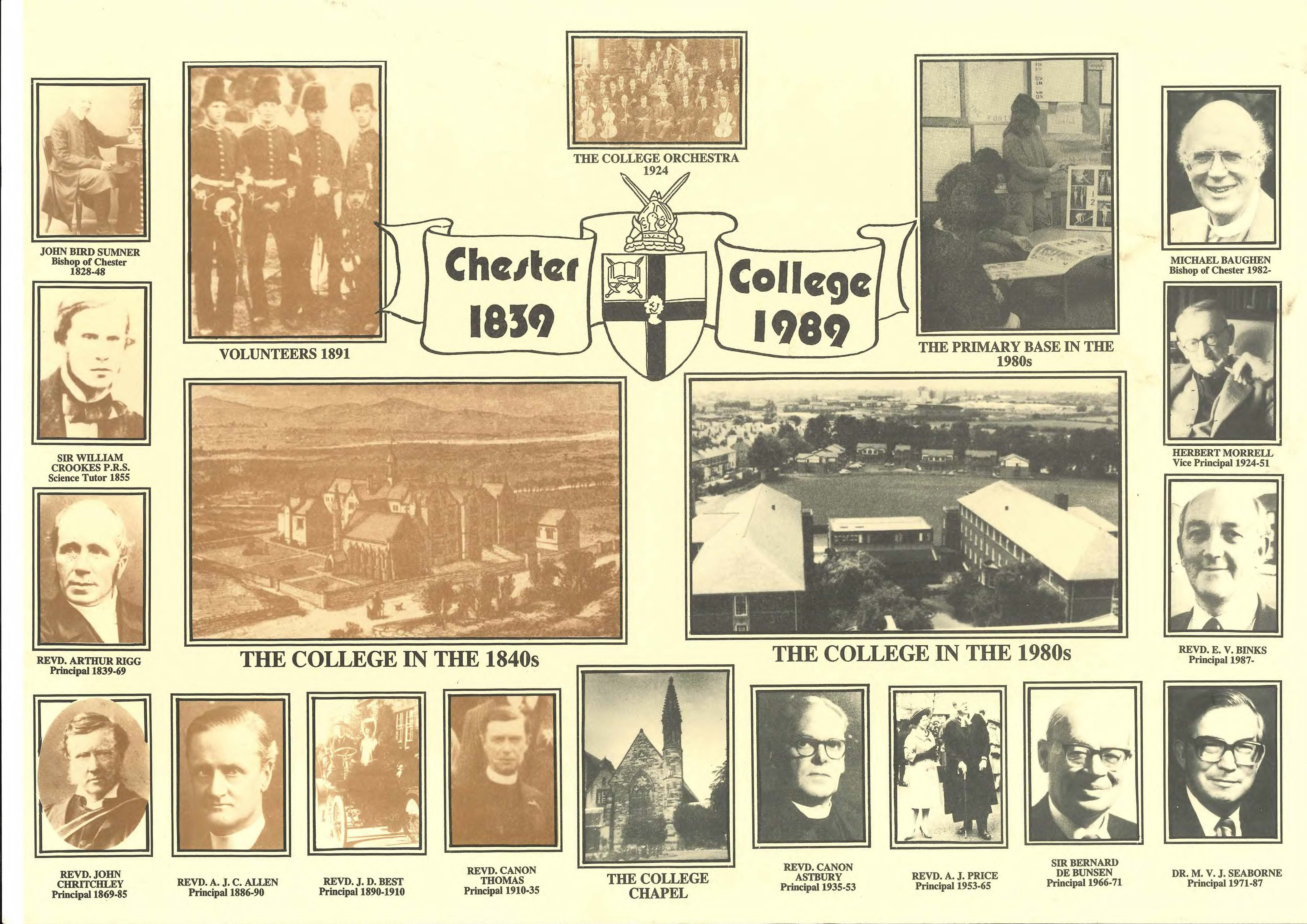
Celebratory events included a series of lectures, performances, a Victorian day, and the addition of a 150th anniversary window in the Chapel.

In the 1990s, the College expanded the number of degrees it awarded, offering new subjects including nursing and midwifery as well as postgraduate courses, and embarked upon a programme of building new teaching facilities and student accommodation. In 2000, the College launched Chester Business School.
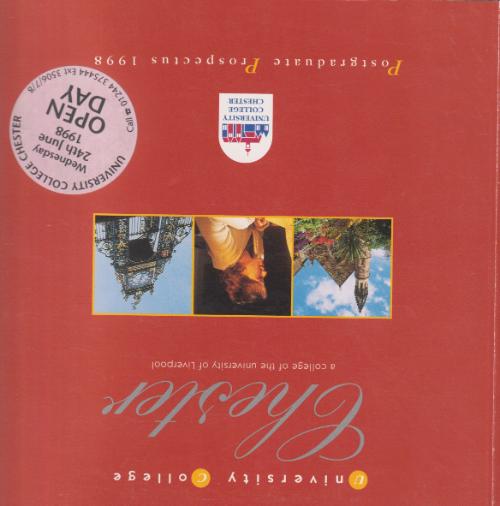
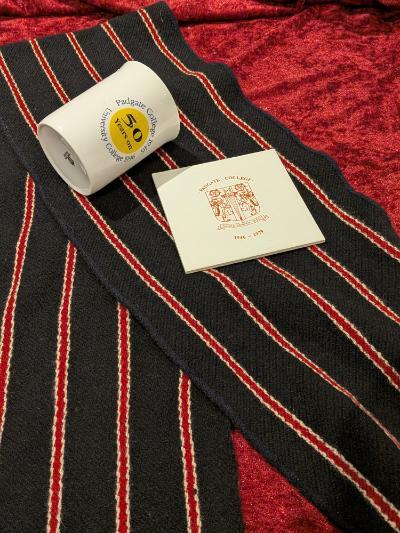
In 2002 the College assimilated the Higher Education Faculty of Warrington Collegiate Institute. A forerunner of the Institute was Padgate Training College, another teacher training college, this one established for women.
In 2001, the College launched its own in-house publishing, initially called Chester Academic Press, now the University of Chester Press.
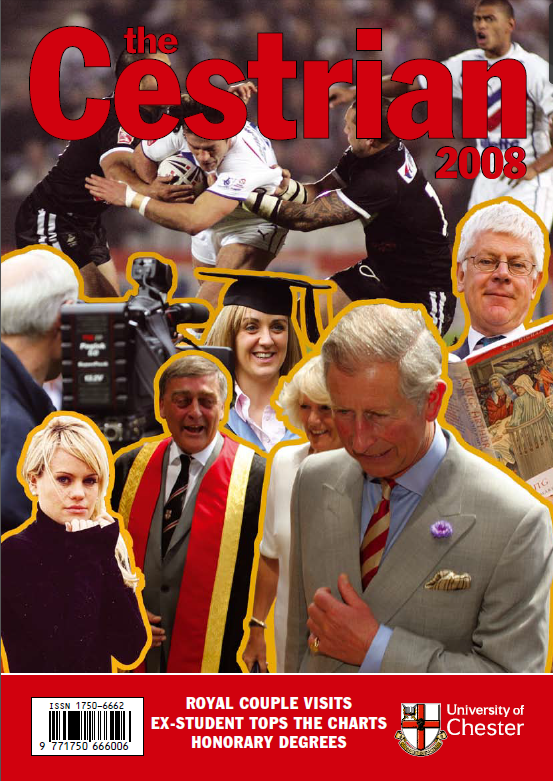
In 2005, Chester College became the University of Chester with the right to award its own undergraduate and postgraduate taught degrees and in 2007, its own postgraduate research degrees. The 6th Duke of Westminster became the university’s first Chancellor. In 2007 King Charles III (then the Prince of Wales) visited the university and was awarded an honorary degree.
In 2014 the University celebrated its 175th anniversary with a number of special events and memorabilia, including the production of an anniversary quilt which was created by University staff and alumni and displayed as part of a special exhibition.
Graeme J. White, On Chester on: a history of Chester College and the University of Chester (2014)
Ian Dunn, The Bright Star in the Present Prospect: The University of Chester 1839-2015 (2015)
Elsie Newton, The Padgate Story: 1946-2006 (2007)
Graeme J. White (Ed.), Perspectives of Chester College: 150th anniversary essays 1839-1989 (including chapters on Cheshire College site and setting, the College buildings, the natural history of the campus, theological perspectives over 150 years, and three great tutors: Lovell, Ardern, Morrell )
John L. Bradbury, Chester College and the Training of Teachers (1975)
S. Astbury, A History of Chester College Chapel (1953)
S. Astbury, A History of Chester Diocesan Training College (1946)