Latest Celebrity Traitors developments analysed in University of Chester Psychology team’s Spotify podcast
The latest twists, turns and psychological tactics in The Celebrity Traitors have come under the spotlight in this week's episodes of a University of Chester psychology podcast.

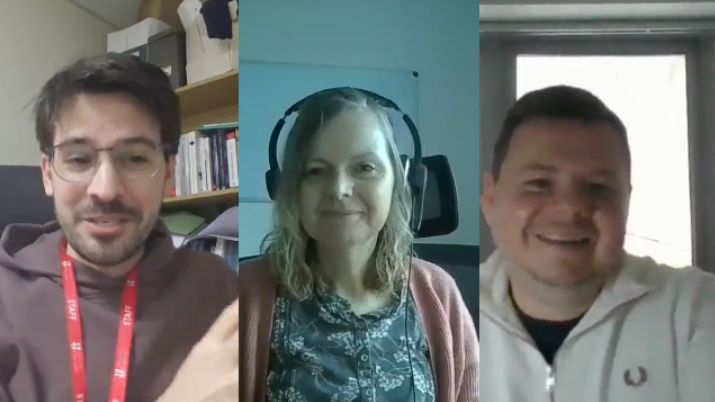
Psychologists Dr Kevin Hochard, Professor Lisa Oakley and making his The Traitors podcast debut, Dr Ross Stewart, return to analyse episodes five and six of the second series of the hit BBC programme The Celebrity Traitors.
Presented by Claudia Winkleman, the show sees celebrities including Ross Kemp, Dr Hannah Fry, James Acaster and Jerry Hall competing for a £100,000 prize fund for their chosen charities while taking on the roles of either ‘Traitor’ or ‘Faithful’. Throughout the game, contestants are ‘murdered’ or ‘banished’ as players attempt to uncover the hidden Traitors among them.
Continuing The Psychology of .....The Traitors video podcast series on Spotify, the University team examine the numerous mistakes made by the Faithfuls during the latest episodes, explore the personality characteristics that can help someone become a successful Traitor and discuss fascinating psychological concepts including contagious yawning and mirror neurons.
One key discussion point centres on episode five’s dramatic death parade mission. Although scientist and presenter Dr Hannah Fry recognises the importance of remaining with the group, she becomes separated from the other players during the game. The psychologists explain how this reflects Social Impact Theory, with Professor Lisa Oakley highlighting how being physically present within a group can enable you to more effectively influence others. The consequences of this dynamic are later seen when Hannah is banished from the game.
The team also analyse a revealing moment involving Joanne, whose attempt to sound empathetic during discussions inadvertently suggested she had knowledge she should not possess relating to being at a face-to-face 'murder'. The psychologists explore how subtle communication slips can influence perceptions and fuel suspicions among fellow players.
New podcast contributor Dr Ross Stewart brings his expertise in personality psychology to the conversation, helping to unpack which traits may help contestants thrive as Traitors. The episode also focuses on comedian James Acaster’s strategy, with the team observing that he continues to approach the game in many ways like a Faithful despite being a Traitor.
They suggest this ability to adapt to changing circumstances is a crucial survival skill within the game, while also predicting that his approach could ultimately leave him vulnerable to betrayal from fellow Traitors.
The latest episodes of The Psychology of..... The Traitors podcast are available now on Spotify, where listeners can hear the team’s analysis of the psychological factors influencing some of the biggest moments in the Celebrity Traitors castle.
The Psychology of...... The Traitors podcast is produced by the University of Chester’s Department of Psychology and explores the psychological concepts, behaviours and group dynamics seen throughout the BBC series The Traitors and The Celebrity Traitors.
The analysis of episodes five and six are available on Spotify here - The Psychology Of... Celebrity Traitors - Season 2 Ep5-6 • Psychology Of...
Dr Kevin Hochard said: “These episodes provide some really interesting examples of psychology in action. We see how communication, group dynamics and personality traits can have a major influence on decision-making. One of the standout themes is adaptability. Players who can adjust their behaviour to changing circumstances often perform well, but there is also a risk that standing out from the expectations of your role can attract unwanted attention. The latest episodes show just how difficult it is for contestants to balance authenticity, strategy and social influence while under intense scrutiny.”
Caption: Dr Kevin Hochard, Professor Lisa Oakley and making his The Traitors podcast debut, Dr Ross Stewart.