Psychology team brings learning to life at UK Games Expo 2026
The University of Chester’s Psychology team made a strong impact at the UK Games Expo 2026, showcasing an innovative Psychology Revision Game.

The event at the Birmingham NEC, which attracted approximately 87,000 attendees (including 51,000 unique visitors), provided a high-profile platform for the team to demonstrate how game-based learning can transform the study of psychology.
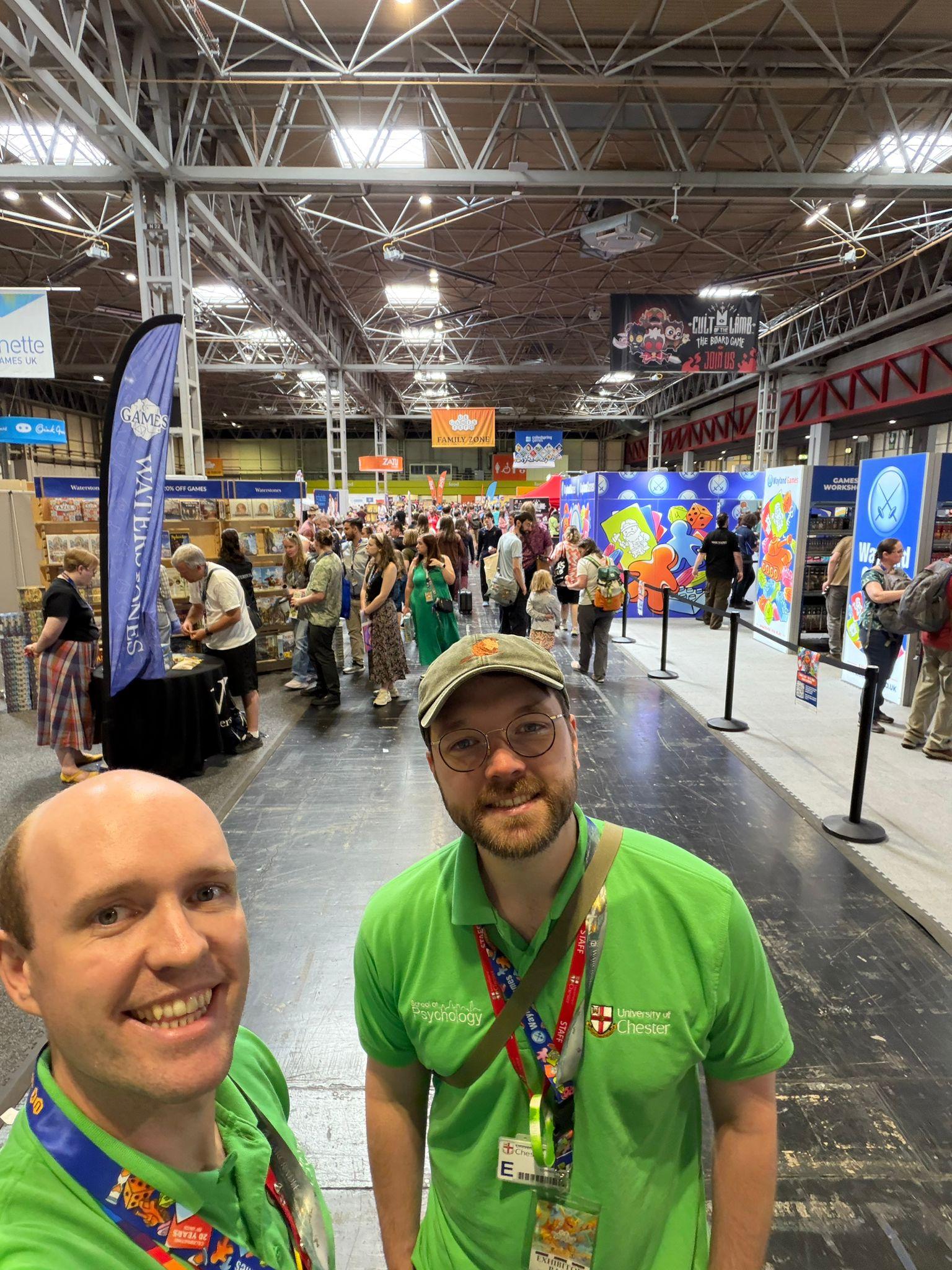
Building on the success of their live Psychology Of… The Traitors podcast at the 2024 Expo, the team returned this year with a new creative initiative designed to make academic content more engaging and accessible. Under the banner of ‘Bringing Psychology to Life,’ they introduced a gamified revision tool aligned with the core areas required for British Psychological Society (BPS) accreditation.
Inspired by the classic board game Trivial Pursuit, the Psychology Revision Game challenges players, represented by miniature brain pieces, to answer multiple-choice questions across six key domains: Biological, Cognitive, Developmental, Social, Individual Differences and Research Methods. Players collect coloured tokens by answering correctly, with the first to complete all six categories declared the winner. The concept transforms revision into an interactive and competitive experience, encouraging knowledge retention through play.
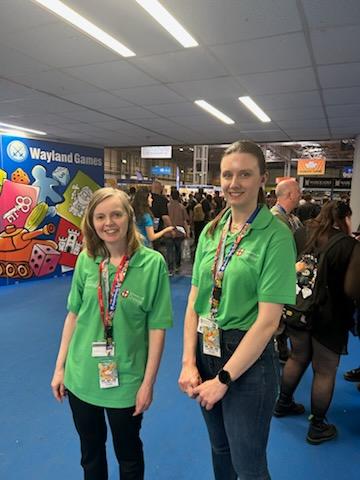
The project was led by Psychology Lecturer Dr Hannah Robinson, who designed the game board and co-ordinated the development of the question sets. Drawing on contributions from staff across the Psychology department, the team created a comprehensive bank of subject-specific questions, ensuring breadth and academic rigour. Hannah also oversaw the visual design using Adobe Illustrator, developing colour-coded cards linked to board segments. Importantly, a colour-blind-friendly palette was used to maximise accessibility and inclusivity.
.jpg)
The physical game elements were equally distinctive, with player tokens crafted as small, coloured brains made from polymer clay and baked for durability. Feedback gathered during the Expo has already informed future improvements, including plans to introduce more tactile board features to enhance user experience.
The University's Psychology stand maintained strong visibility throughout the Expo, drawing interest from a wide audience that included educators, student, and industry professionals. The team also engaged with potential collaborators keen to explore how gamified learning approaches could be developed further or integrated into educational and commercial products.
The team is also aiming to return to the UK Games Expo in 2027 with an enhanced version of the game and potentially new projects that further explore the intersection of psychology, education and play.
The initiative highlights the University of Chester’s commitment to innovative teaching and public engagement, demonstrating how academic subjects can be reimagined through creative formats. By blending scholarship with gameplay, the Psychology team continues to find new ways to inspire curiosity and make learning both meaningful and memorable.
Dr Kevin Hochard, Head of Psychology at the University, said: “This was a true team effort. Colleagues contributed their time and expertise outside of their regular roles to make this happen. As avid gamers ourselves, it was incredibly rewarding to combine our passion for games with our academic knowledge.”
The team plans to continue refining and expanding the game. Kevin added: “In its current format, it serves as an engaging introduction to the discipline and will be used at university open days to showcase the breadth of undergraduate Psychology study. Future iterations aim to provide a more advanced independent learning tool, with additional card sets tailored to specific modules. This development would allow students to test their knowledge in a structured yet interactive way, supporting assessment preparation and deeper learning.”
Captions:
Dr Brad Kennedy and Dr Connor Pell.
Professor Lisa Oakley and Dr Hannah Robinson.
Dr Kevin Hochard and Dr Hannah Robinson.