Study highlights key welfare needs for seal pups in rehabilitation
A new study examining harbour and grey seal pups undergoing rehabilitation in the UK has identified important steps that could improve animal welfare during their recovery.
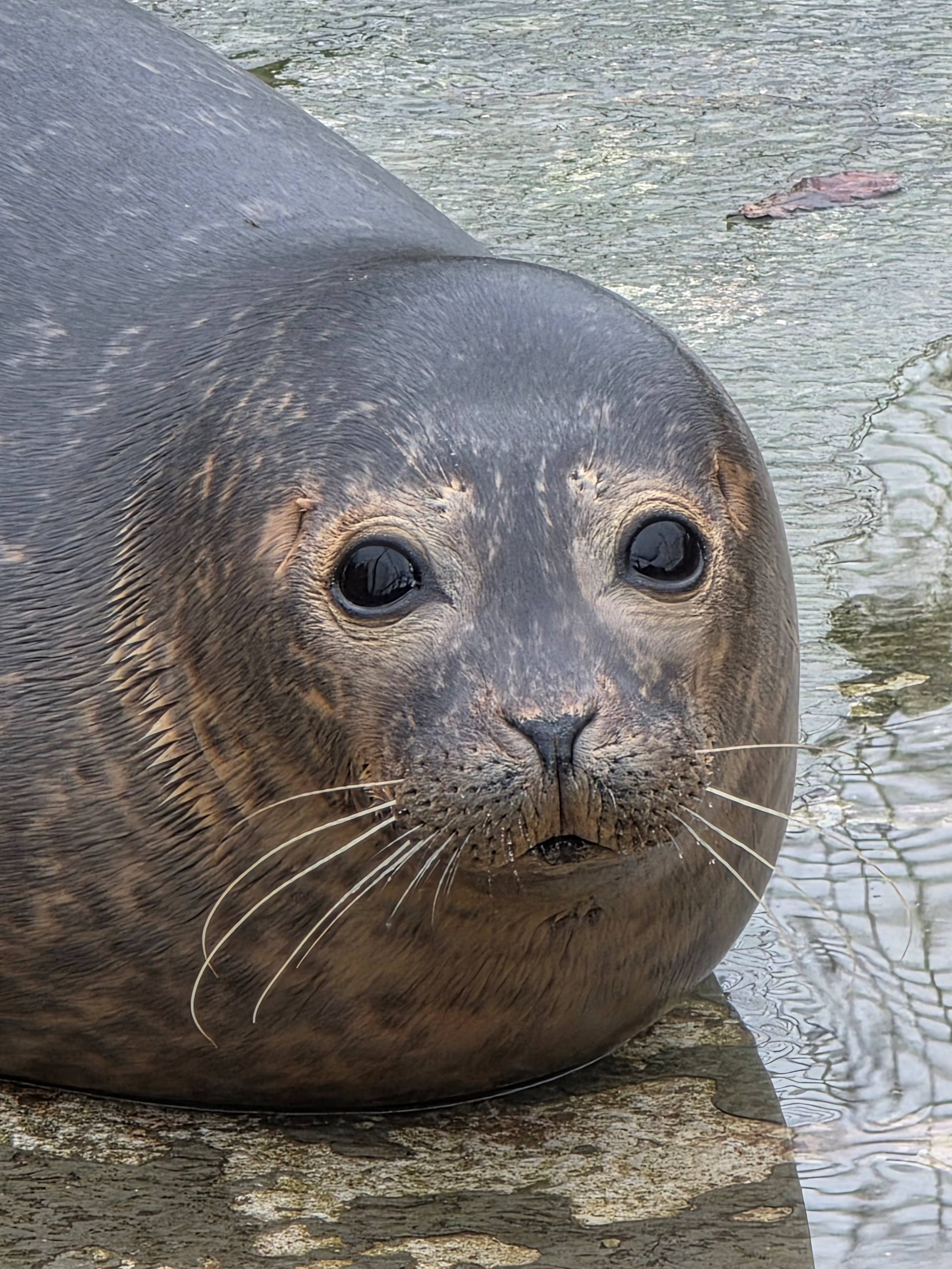
Researchers from the University of Chester and Manchester Metropolitan University monitored 25 seal pups admitted to Tynemouth Seal Hospital after becoming stranded due to reasons such as malnourishment, injury, or abandonment, all common consequences of environmental and human related pressures around the UK and Ireland.
The study entitled, Behavioural and faecal cortisol metabolite monitoring of harbour seals (Phoca vitulina) and grey seal pups (Halichoerus grypus) in rehabilitation centres, by Dr Michal Zatrak, Senior Technical Officer and Dr Matt Geary, Associate Professor in Conservation Biology at the University of Chester’s, School of Natural Sciences, in collaboration with Dr Robyn A Grant and Dr Kirsty J Shaw from Manchester Metropolitan University and Richard Ilderton from Tynemouth Seal Hospital, has been published in Applied Animal Behaviour Science.
The team collected 479 faecal samples and more than 3,800 hours of behavioural footage to assess how different aspects of rehabilitation affected the pups’ stress and wellbeing.
The study found that faecal cortisol metabolites (FCMs), often used as a non-invasive stress indicator, did not reliably reflect changes in the pups’ condition or daily experiences. The researchers suggest this may be due to individual variation, accumulated stress before rescue, and the limited sensitivity of FCMs to short term stressors. As a result, the study concludes that FCMs are not always an effective welfare monitoring tool for rehabilitating seal pups.
In contrast, behaviour proved to be a strong indicator of welfare. Feeding methods and access to water significantly influenced how the pups behaved.
Assisted feeding, essential for very young or weak pups, was linked to reduced vigilance in both species and in grey seals, an increase in stereotypical behaviours alongside reduced movement. The findings highlight the need for environmental enrichment, such as floating structures or feeding devices, to counteract these effects.
The study also emphasises the importance of providing water access as early as possible. Swimming opportunities support the development of natural behaviours and may improve overall welfare during rehabilitation.
Researchers found that the results can help refine welfare assessments and improve rehabilitation protocols for both harbour and grey seal pups, ultimately supporting healthier releases back into the wild.
Michal said: “Rescue centres provide such incredible care for vulnerable seals and it is important to see if any improvements can be made to optimise their outcomes. We hope this study will help both the seals and the people committed to their welfare.”
Matt added: “We would like to thank all the staff and volunteers at the Tynemouth Seal Hospital and the British Divers Marine Life Rescue for their support in facilitating this research and for their dedication to seal rescue and welfare.”