Biodiversity
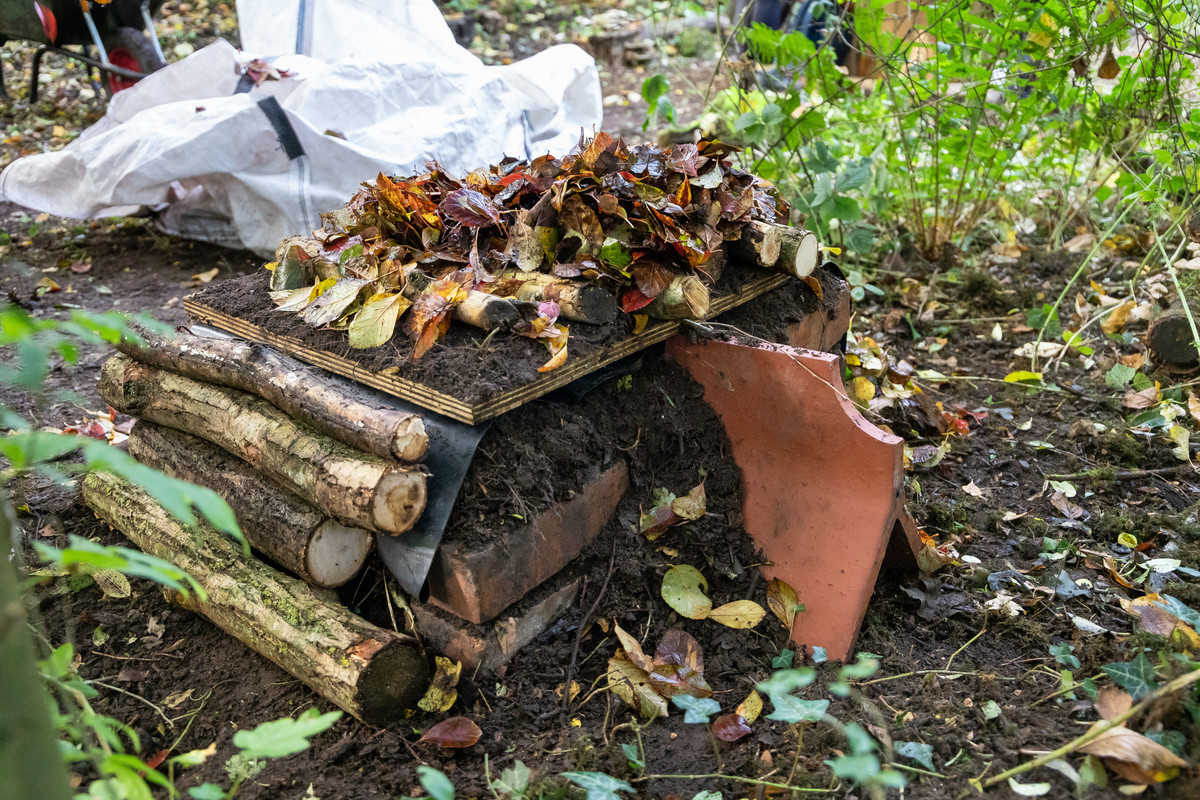
The University of Chester incorporates biodiversity across its estate, creating new opportunities for wildlife. Welcoming staff and student input, the University has established thematic Sustainability Action Groups – including Biodiversity – to recognise ways for the University’s natural spaces to flourish.
There are several ways for the University community to get involved in biodiversity-related activities, whether that be through student-led projects, ‘Give it a Go’ volunteer events, or initiatives led by other groups, such as the University's Biodiversity Action Group (internal only).
Grounds & Gardens
The University’s estate provides valuable habitats and installations for flora, fauna and wildlife. The Grounds & Gardens team preserve our natural spaces through various initiatives, which have recently included:
- Planting new areas with naturalising spring bulbs that are pollinator friendly – including snowdrops, crocus, narcissi, fritillaria.
- Sowing pollinator-friendly wildflower seeds in new locations. The mixes are a combination of more than 25 species of annual and perennials including poppies, daisies, marigold, cosmos, cornflower, gaura, blanket flower.
- Trialling a new method of wildflower sowing using ‘FloraFleece’ which supresses soil weed seeds and allows the wildflower seed a better chance of success. In 2026-27 wildflower areas on site will increase using the same method.
- Working alongside the School of Education to install bird feeders in trees outside the building.
- Plans are in place to rejuvenate Grosvenor House's boarders with a pollinator-friendly theme as part of an ongoing team project.
- Creating more cut flower areas, not only for sustainably sourcing cut flowers for events, but providing more plants for pollinators. Flowers in these areas include cosmos, calendula, zinnia, verbena, sweat peas, amberboa, echinacea and helichrysum. The team are currently working hard to increase the varieties available.
- Running workshops with students at Chester and the wider community throughout the academic year - from wreath making to their ‘Bee Friendly’ event (as part of Chester’s Festival of Ideas) and Bird Box making event. Some of the bird boxes have been erected in the valley.
- Being present at the annual Frost and Summer fairs to share plants they have cultivated on site and encourage interest in biodiversity.
- Attending and presenting at Biodiversity Action Group meetings to inform University members of their work and any updates to relevant policies.
- Working hard to create more hedges to help support wildlife corridors.
Gardening opportunities on site
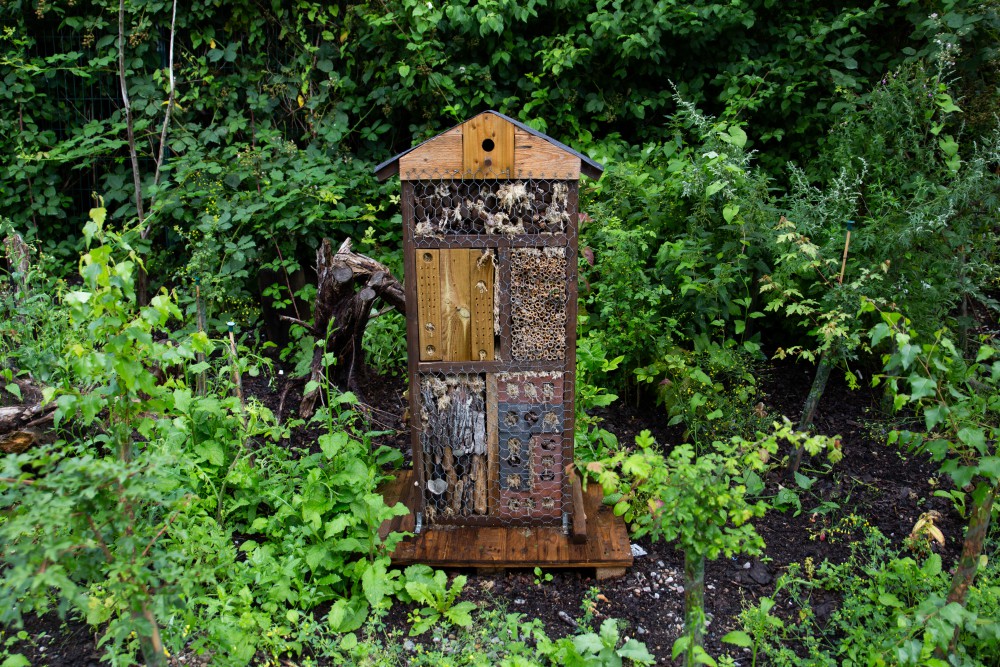
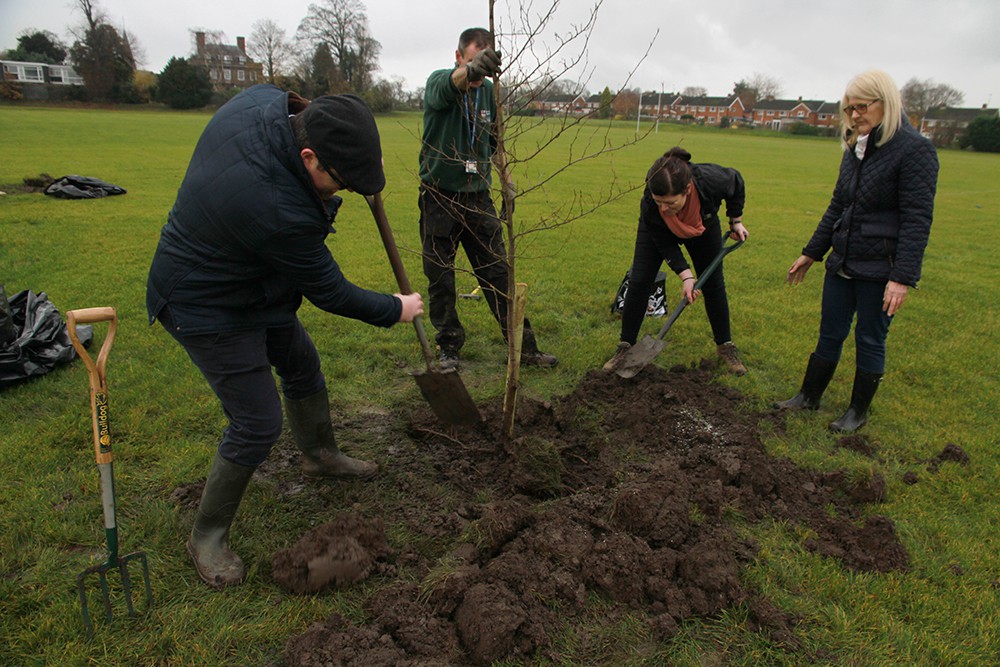
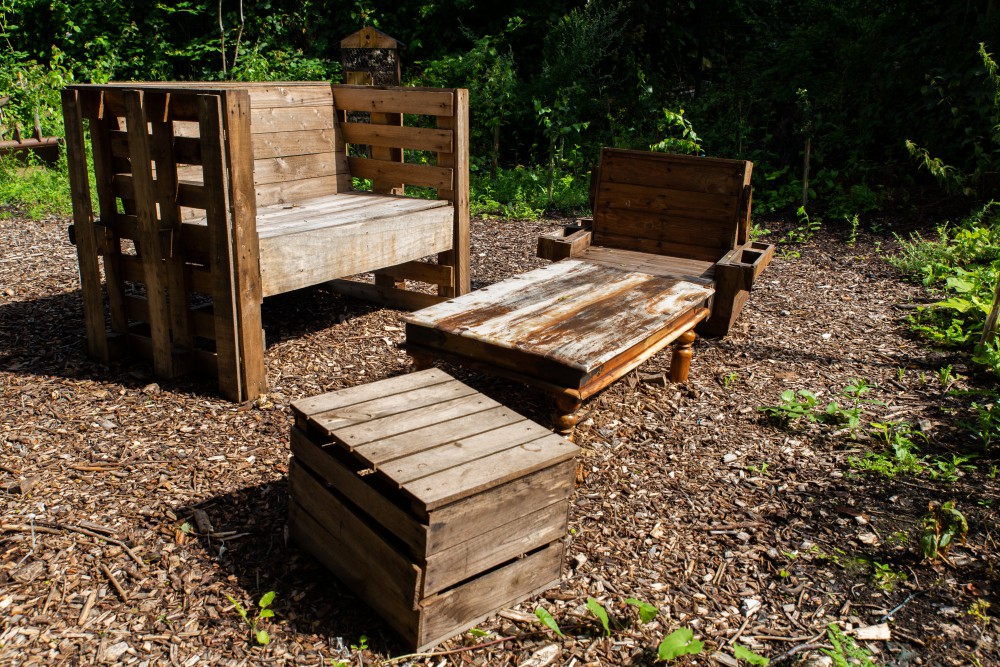
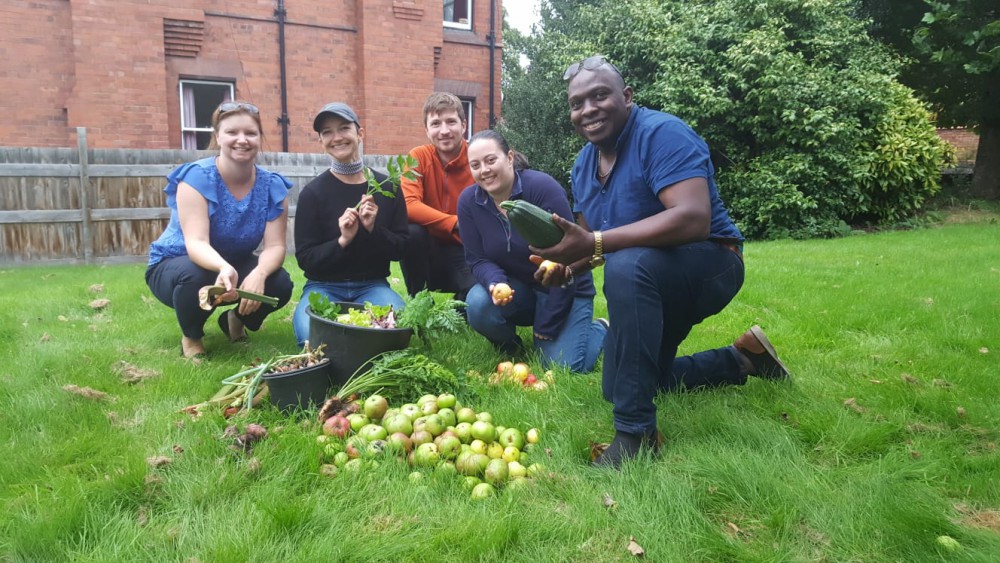
Students and staff can also let their gardening skills bloom over time at the University's Community Hub garden. From its humble beginnings in 2022, the Community Hub garden has welcomed partnerships with faculties through placements, student societies, University teams and charities – most notably Faiths4Change - to create a welcoming, natural space. Volunteers help grow plants and produce (vegetables, herbs and fruit), which they can take home or use for cooking sessions on site. During the winter months, the group host indoor sessions designed to support the garden and increase biodiversity knowledge - such as pottery painting, terrarium workshops and mosaic creations.
The space continues to flourish, with volunteer and staff efforts being celebrated and recognised through different award schemes:
- Awarded: Level 5 - Outstanding' by the RHS Britain in Bloom (North West) (2026).
- Finalist: Diversity, Equity & Inclusion in Sustainability – Green Gown Awards (2025).
University Allotment
The University allotment, located just off Walpole Street (Chester), is a dedicated space for staff and students to grow fruit and vegetables. In May 2022, the allotment was redeveloped to make it more accessible, welcoming and manageable.
For more information, email sustainability@chester.ac.uk.