Clearing for Teachers and Advisers
Outreach Taste of University session

We appreciate that no-one knows your students like you do, and that your expertise allows you to support them as they take their next steps towards university… but we also know that results day can be an uncertain time for many, so we’ve put together an at-a-glance guide for using Clearing. Please feel free to share with your students if useful.

We have dedicated staff ready and waiting to answer queries, so if you, or your students have any questions, from results day onwards, please call 01244 512450.

We’re also offering short, online seminars for Teachers, Advisers, Students and Parents/Caregivers in June, which you can watch live, or access a recording of.

Clearing Webinars

Webinar for Prospective Students

Join us for practical tips from Outreach Advisors and insights from a current student who joined us through Clearing. This session is the perfect opportunity to get your Clearing questions answered, taking place on Tuesday 30th June from 3.30pm until 4pm.

Webinar for Parents and Supporters

Gain a clear understanding of the Clearing process and how to best prepare someone in their application, guided by Outreach Advisors and a student who joined us through Clearing. Join us online on Monday 29th June from 6pm until 6.30pm.

A parent and student at an applicant day, talking to staff across a desk

Webinar for Teachers and Advisers

Our experienced Outreach Advisers, alongside a current student who joined us though Clearing, will provide practical guidance and a clear overview to help you confidently support students through the process. Join us online on Monday 29th June from 4pm until 4.30pm.

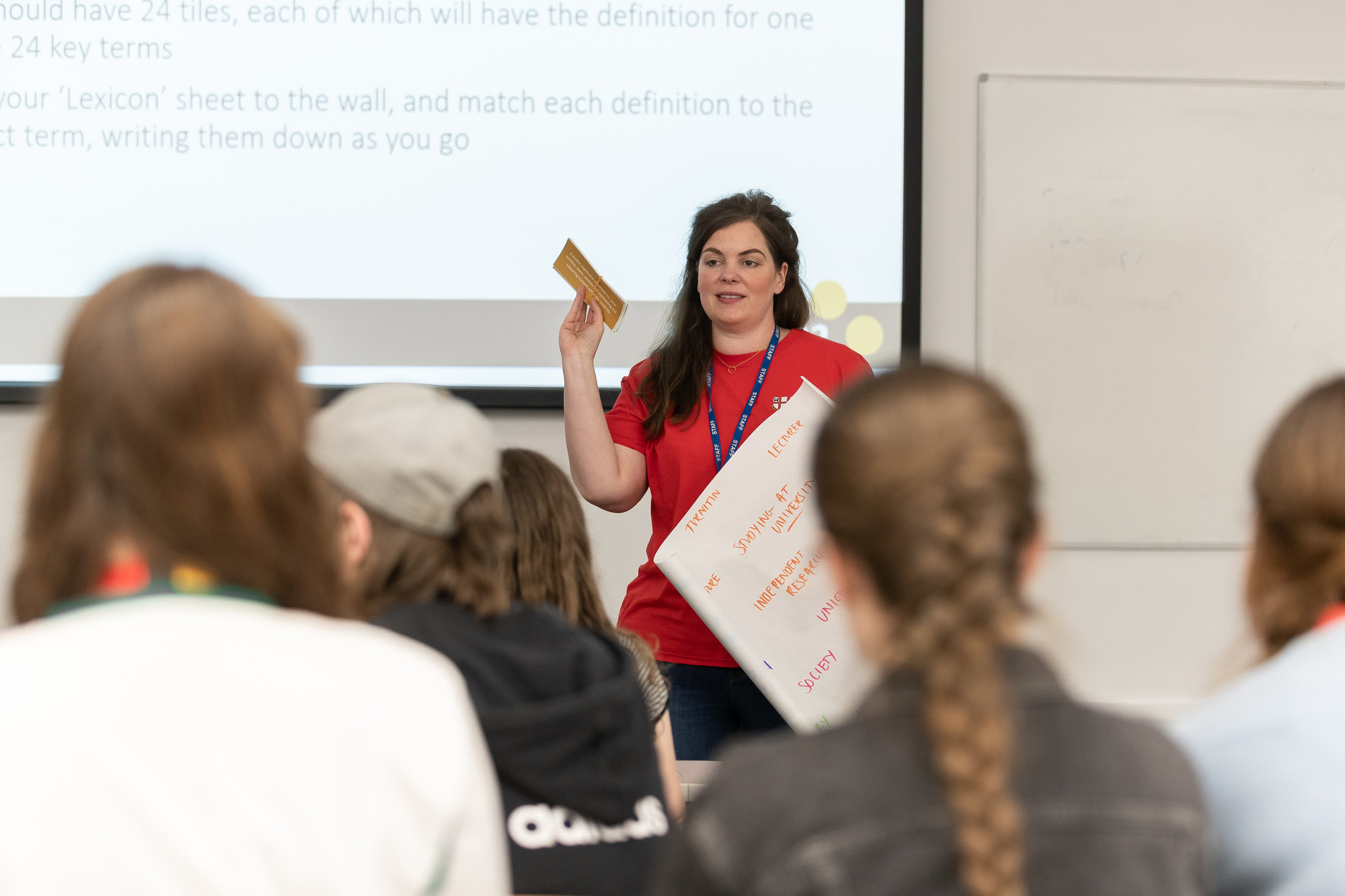
A female teacher is giving a lecture in classroom.

General Guidance

  • Students should not assume they’ll be rejected by their Firm or Insurance choice if they didn’t get the grades. If they’re close, they may still be accepted or offered a Foundation Year – always check first.
  • Using Clearing shouldn’t be a rush, although the timeframe will be shorter than their initial application; they should still be happy and confident with their choice. They will have at least a few days and potentially up to a couple of weeks to decide; depending on the popularity of their course, they will be given further information by the universities that offer them places. They should carry out the same sort of research into the course as they have previously, looking at course structures, modules, learning methods and opportunities.
  • In terms of all other aspects of university life, such as accommodation and support, once they have accepted their place, they’ll enter into the system just like any other student. There is no disadvantage to starting as a student who came through Clearing.
  • Universities offer campus tours during the Clearing period so that students can get to know their new options. We highly recommend that they visit anywhere they are considering if they have not done so before.
  • Once they have a confirmed place, they must contact Student Finance to let them know that their chosen university is changed. This is a simple task that should not take more than a few minutes, but it is best not to delay it.

Frequently Asked Questions

Clearing is most commonly used by students who didn't get the grades they needed for either their firm or insurance offers.  Once results have come out, applications that have been unsuccessful get moved into Clearing. So those applicants can then try for a place on another course, at either the same or a different university. Those that didn’t go through this year’s UCAS cycle and would like to apply for the first time.

There are other reasons for using Clearing, too:

  • students declined a confirmed place, using the 'decline my place' button in UCAS Hub
  • students applied before 30 June but didn't get any offers
  • students applying after 30 June

Online, at specific university website such as www.chester.ac.uk, on UCAS or at comparison sites such as www.whatuni.com.

Yes, once your students have a couple of options in mind, they do need to call the universities in question.

Teachers, advisors, parents and caregivers can call and ask questions, but we can only make an official offer to the students themselves, so they will need to participate in the phone call.

We appreciate that some people find making calls a little intimidating, but they’ll come through to a qualified member of staff, who is used to working with applicants. We’ll say hello, ask them what they’re interested in studying, and go from there. We’ll discuss their options, answer questions, support them throughout the process and offer a place if appropriate.

We’ll ask for their name, postcode, phone number, email address and grades. We’ll then check those grades against our entry criteria, which may take a few minutes.  If we make them an offer, we’ll request more information.

Once we’ve made the offer, they’ll receive an email to confirm, and it’ll appear in their UCAS Hub (if they’re using it) within a few hours.  They can accept one offer once they are ready.

If they haven’t been through UCAS this year, they’ll be asked to complete a form confirming their qualifications and return it to the university before they are offered a place.

During the call, your students will be asked for the following information:

  • Qualification type (e.g. A Level/T Level) Subjects, and Grades (please note, for BTECs, it is important that they know the title of the BTEC e.g. Extended Diploma). We know that students can feel a little self-conscious about their grades, particularly if they’re not where they’d hoped, so please reassure them that it’s a judgement-free environment, and we just want to help them to find the right place.
  • Their UCAS number, if they have applied this cycle.
  • It may also be useful for them to look through their personal statement again, as this may refresh their memories, in case there is anything else they want to ask/mention.