Open Research

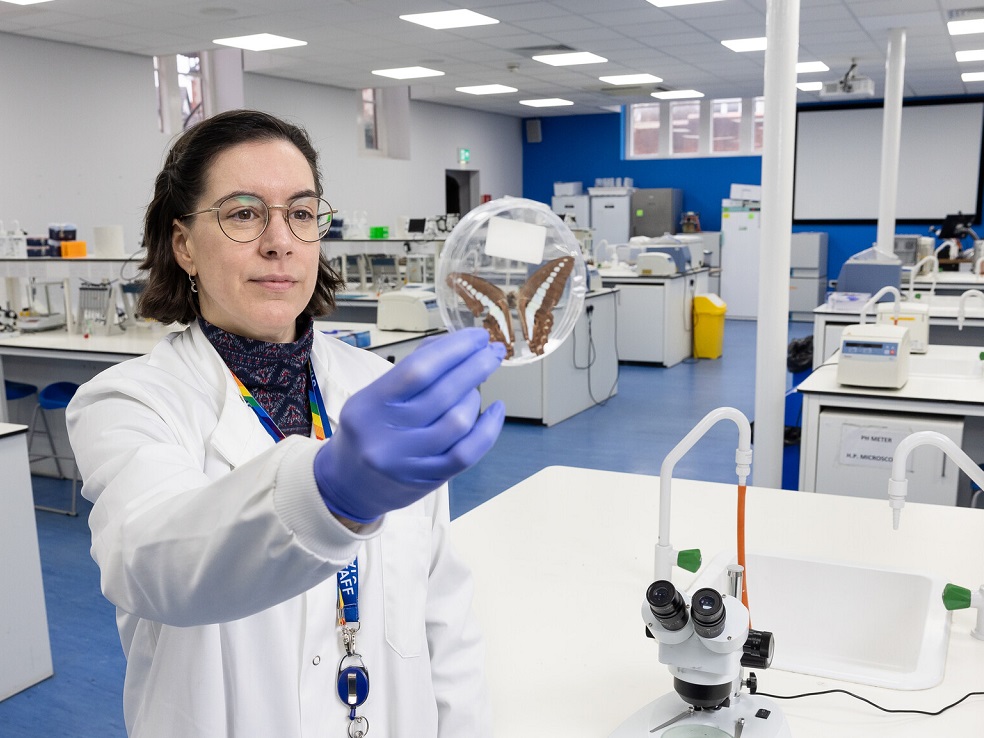
A female researcher holding a butterfly in laboratory room.

Open Research is the idea of making all stages of the research lifecycle as open as possible. It is based on the principles of transparency, collaboration, accountability and equity. It aims to reduce barriers to knowledge-sharing, increase engagement with research and encourage innovation.  

What does Open Research involve?

Open Research involves sharing results, data, code, protocols, publications and other research outputs under an open copyright licence. When considering opportunities to make research open, researchers should adopt the approach ‘as open as possible, as closed as necessary’ because there may be instances where research (for ethical, copyright or other reasons) cannot be made open. 

Key examples of Open Research

Why is Open Research important?

Open Research can lead to more impactful, robust and transparent research.  By making the research processes more open, it is possible to: 

  • Examine findings more easily and reduce the risk of research being duplicated. 
  • Demonstrate the robustness of research (by helping other researchers reproduce the results). 
  • Enhance the visibility of research to those within and outside academia. 
  • Increase opportunities for collaboration. 
  • Build on results or findings and make further advancements in a field. 
  • Comply with funder mandates requiring publications and data to be made openly available. 

Importance of Open Research

Open Research can lead to more impactful, robust and transparent research.  By making the research processes more open, it is possible to: 

  • Examine findings more easily and reduce the risk of research being duplicated. 
  • Demonstrate the robustness of research (by helping other researchers reproduce the results). 
  • Enhance the visibility of research to those within and outside academia. 
  • Increase opportunities for collaboration. 
  • Build on results or findings and make further advancements in a field. 
  • Comply with funder mandates requiring publications and data to be made openly available. 

The University's commitment to Open Research

The University is committed to supporting and promoting a culture of ‘openness’ and has introduced institutional policies defining expectations on depositing work, Open Access, data sharing and data management. Regular training and webinars are also provided by members of the LIS Research Support team and the Research and Innovation Office (RIO) 

Institutional Open Research Policies

The University of Chester's Repository Policy sets out the principles and procedures for managing, depositing, accessing and preserving research outputs on the University’s repository, ChesterRep. It applies to staff, students and other affiliated contributors.

The Policy is accessible here from 20th July 2026

The University of Chester's Open Access Policy defines institutional expectations on making research outputs openly available. It is designed to support visibility, compliance with the OA requirements of funders and the Research Excellence Framework (REF) and wider public access to the University’s research.

The Policy is accessible here from 20th July 2026.

The University of Chester's Rights Retention Policy enables University of Chester authors to retain copyright on their Author Accepted Manuscripts (AAMs) and make them immediately Open Access (OA) under a Creative Commons Attribution licence (CC BY) on the institutional repository, ChesterRep. It currently applies to members of staff publishing journal articles and conference papers with an ISSN. It has been introduced to ensure compliance with the OA requirements of funders and the Research Excellence Framework (REF). Opting out is only possible in limited legal, ethical, or co-author-related circumstances.

The Policy is accessible here from 20th July 2026.

The University of Chester's Management and Sharing of Research Data Policy sets out expectations for how research data should be managed, stored, and shared to ensure research integrity, transparency, and reuse. It requires researchers to plan for data management from the outset, comply with legal and ethical standards, securely retain data (typically for at least 10 years), and share it openly where possible following the principle “as open as possible, as closed as necessary".