Busy bees: New task-setting study shows males are more active and adaptable
Male bumblebees are more active and flexible in behaviour than female bees, new University of Chester-led research has found after creating tasks to analyse how the insects explore, recognise colours and learn to earn rewards.

The study by researchers from the University of Chester in collaboration with Toyota Motor Manufacturing UK Ltd (Deeside), Newcastle University and the University of Sheffield has highlighted how the different roles of female workers and male drones shape their behaviour and ability to change in new surroundings.
The research brings a new focus, as while previous studies have shown that bees are an intelligent species in their behaviour and learning, they have more often concentrated on females.
The team compared male and female bumblebees’ (Bombus terrestris) active time in a novel environment, using an ‘activity’ task as well as their ability to learn to associate a colour with a reward (sucrose), in a colour learning task. They assessed the bees’ behavioural flexibility with a final task reversing the colour that led to a reward.
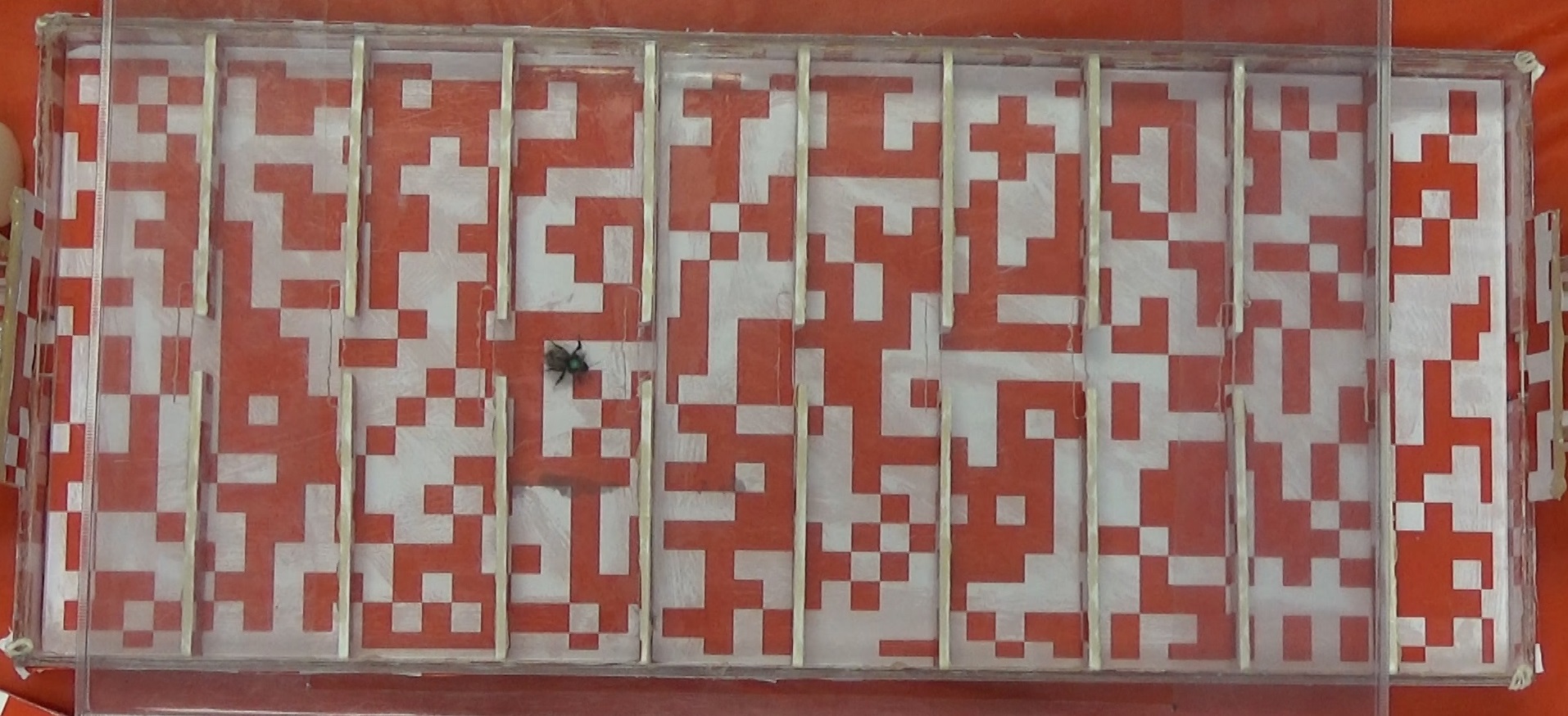
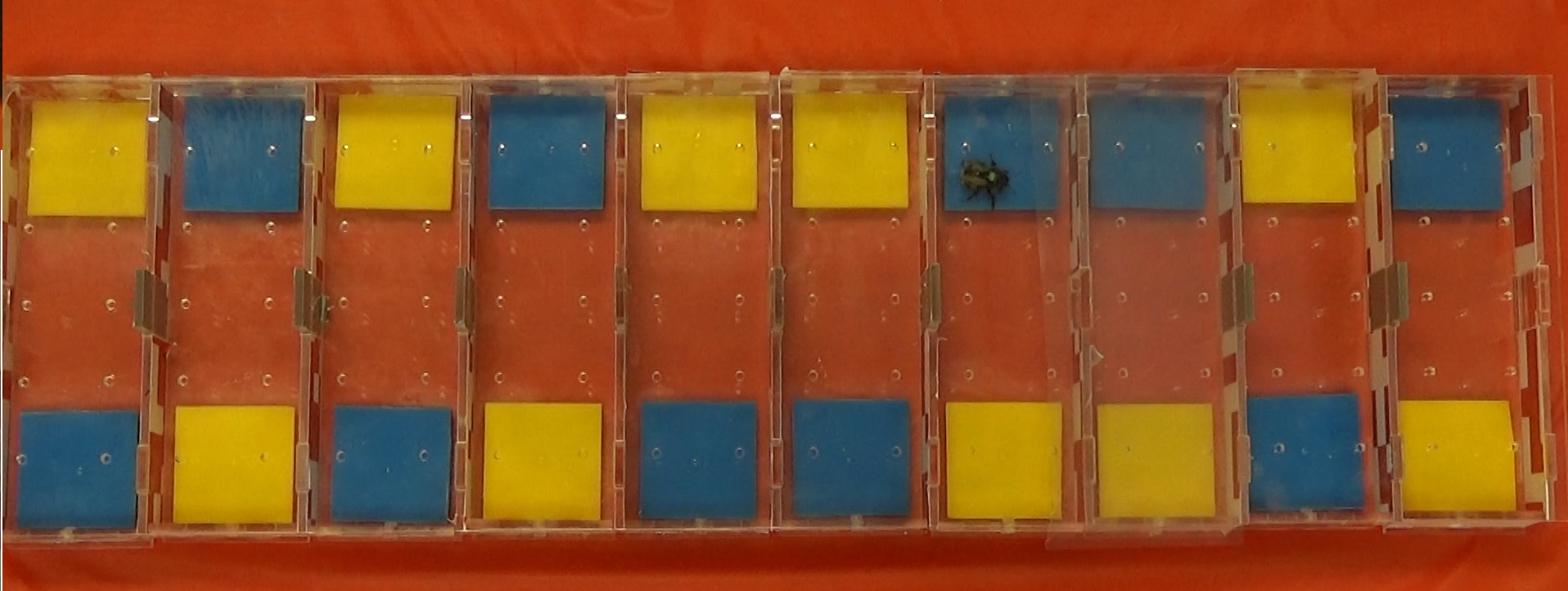
The tasks used large, rectangular-shaped boxes with 10 equally divided compartments. Each compartment had a hole in the middle of the wall separating it from the next. The bee visited any compartment as they wished and the time from entry to exit was recorded to assess their active time in a novel environment. Next, shutters between compartments were added, before a new task presented flower pairs (blue and yellow) in each compartment. Each shutter was lifted after the bee made a correct choice (rewarded flower), with the final task switching the reward colour to measure bees’ adaptability in reverting their learning.
The results showed that males were more active in the novel environment than females. Males and females showed comparable performance in learning the colour-reward association, but males demonstrated enhanced behavioural flexibility when the colour changed.
Dr Pizza Ka Yee Chow, Lead Researcher and Senior Lecturer in the Division of Psychology at the University of Chester, said: “Sex role differences can influence ecological and evolutionarily important traits like activity level and behavioural flexibility. In bumblebees, female workers are the main foragers for the colony, whereas males (drones) have minimal responsibility. However, males become solitary foragers once they leave the colony.
“Males’ active time may reflect their exploratory behaviour such as pre-mating patrolling, and their enhanced flexibility suggests their readiness to find new profitable flowers when exploited flowers decrease in quality. These results highlight the importance of these behavioural and cognitive traits for males, which may increase their chance of finding mates and improve their foraging efficiency. They indicate that increased activity level and behavioural flexibility are, therefore, crucial for their survival.”
Dr Théo Robert, a co-author of the study, added: “The difference in learning flexibility between males and females (workers) is especially interesting, as it likely reflects differences in their foraging strategies. Because they have the support of their colony in the form of food stores, females can probably afford to undertake foraging trips during which the flowers they visit are already (temporarily) depleted. This could allow them to regularly revisit the highest-quality flowers in their environment, despite the fact that these flowers may also be heavily exploited by other pollinator species or bee colonies in the area, thereby enabling them to compete for these resources. Females’ reluctance to switch to new flowers and to abandon previously rewarding ones as soon as their quality decreases may actually be profitable for the colony in the long term.
“On the other hand, as males’ main role is reproduction, they do not need to compete for the best flowers but simply to sustain themselves long enough to mate with virgin queens. Therefore, it may be more profitable for them to switch to different flowers when those on which they have previously learned to feed become depleted.”
Dr Chow also pointed out that these new results called for broader assessments of additional ecologically and evolutionarily important traits that may vary between sexes with different roles, particularly given that males’ cognition has often been overlooked.
The research paper, Male bumblebees (Bombus terrestris) are more active and behaviourally flexible than workers, has recently been published in Animal Cognition.
Dr Robert, from the Biosciences Institute, Newcastle University, and the School of Biosciences at the University of Sheffield, and Dr Chow were joined in the research team by Dr Kevin Hochard, and students and graduates, Sophie Donnelly, Lisa Chumber and Owain Reece, all from the Division of Psychology at the University of Chester.